Track our closest relatives in their natural habitat.
Chimpanzee Tracking in Uganda
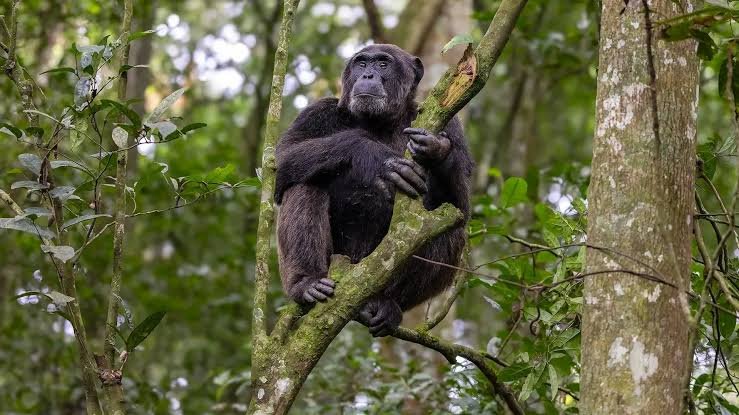
Chimpanzee Tracking in Uganda is one of the country's most exciting wildlife experiences, offering visitors the opportunity to observe man's closest living relatives in their natural forest habitat. Uganda is home to one of the largest populations of wild chimpanzees in East Africa, making it a premier destination for primate enthusiasts, wildlife photographers, researchers, and nature lovers seeking an unforgettable forest adventure.
The activity involves guided walks through tropical rainforests and woodland ecosystems in search of habituated chimpanzee communities. Led by experienced ranger guides and trackers, visitors follow vocalizations, nests, feeding signs, and movements of the chimpanzees until they are located. Once found, participants are allowed to spend time observing the chimpanzees as they feed, groom, communicate, hunt, play, and interact within their social groups.
Chimpanzees are highly intelligent and remarkably similar to humans in both behavior and genetics. Watching them use tools, care for their young, establish social relationships, and communicate through vocal calls provides a fascinating insight into the lives of one of the world's most remarkable primates. Their energetic nature means that every tracking experience is unique, with chimpanzees often moving rapidly through the forest canopy and across the forest floor.
Uganda offers several excellent chimpanzee tracking destinations, each providing a different forest environment and chimpanzee experience. Many travelers combine chimpanzee tracking with gorilla trekking, wildlife safaris, birdwatching, boat cruises, and cultural tours, creating a diverse Uganda safari itinerary. Whether undertaken as a standalone excursion or part of a longer safari, chimpanzee tracking remains one of the country's most rewarding wildlife activities.
Best Places for Chimpanzee Tracking in Uganda
Kibale National Park
Kibale National Park is widely regarded as the best chimpanzee tracking destination in Uganda and one of the top primate locations in Africa. The park is home to the largest population of habituated chimpanzees in the country, with several communities available for tracking.
The dense tropical rainforest provides ideal habitat for chimpanzees as well as numerous other primates including red colobus monkeys, black-and-white colobus monkeys, L'Hoest's monkeys, vervet monkeys, and olive baboons. Chimpanzee tracking in Kibale offers a high success rate and is suitable for both first-time visitors and experienced primate enthusiasts.
Budongo Forest
Budongo Forest Reserve is located near Murchison Falls National Park and is another excellent destination for chimpanzee tracking. The forest is known for its large mahogany trees, rich biodiversity, and well-habituated chimpanzee communities.
Many travelers combine chimpanzee tracking in Budongo with wildlife safaris in Murchison Falls National Park, creating an itinerary that combines both primate experiences and traditional game viewing.
Kyambura Gorge
Kyambura Gorge is located within Queen Elizabeth National Park and offers one of Uganda's most unique chimpanzee tracking experiences. Often referred to as the "Valley of Apes," the gorge is a dramatic forested valley surrounded by open savannah landscapes.
Tracking chimpanzees here involves descending into the gorge and searching for a small but fascinating chimpanzee community that has adapted to this isolated forest habitat.
Kalinzu Forest
Kalinzu Forest Reserve is a popular alternative to Kibale National Park for visitors seeking chimpanzee tracking at a more affordable cost. The forest supports a healthy population of habituated chimpanzees and offers excellent opportunities to observe these primates in a less crowded environment.
In addition to chimpanzees, visitors may encounter various monkey species, birds, butterflies, and diverse forest vegetation throughout the tracking experience.
Toro-Semliki Wildlife Reserve
Toro-Semliki Wildlife Reserve offers chimpanzee tracking combined with wilderness experiences in a less-visited part of Uganda. The reserve's chimpanzees are monitored and protected within a unique habitat that combines woodland and savannah ecosystems.
For travelers seeking off-the-beaten-path primate experiences, Toro-Semliki provides a rewarding alternative to the country's more famous chimpanzee destinations.
Chimpanzee Tracking Permit Prices in Uganda
A chimpanzee tracking permit is required for visitors who want to participate in guided chimpanzee trekking experiences in Uganda. The permit provides access to protected forests, ranger guide services, and the opportunity to spend time observing habituated chimpanzee communities in their natural environment.
Chimpanzee permits are issued by the Uganda Wildlife Authority for tracking experiences conducted in protected areas such as Kibale National Park, Kyambura Gorge, and other designated chimpanzee tracking destinations. Prices vary depending on the location, visitor category, and type of experience.
Chimpanzee Tracking Permit Prices
| Visitor Category | Kibale National Park Chimpanzee Tracking Permit |
|---|---|
| Foreign Non-Residents | USD 250 per person |
| Foreign Residents | USD 200 per person |
| East African Citizens | UGX 180,000 per person |
Chimpanzee Habituation Experience Permit Prices
| Visitor Category | Chimpanzee Habituation Experience Permit |
|---|---|
| Foreign Non-Residents | USD 300 per person |
| Foreign Residents | USD 250 per person |
| East African Citizens | UGX 250,000 per person |
The standard chimpanzee tracking experience usually allows visitors to spend approximately one hour observing a chimpanzee community after locating them. The Chimpanzee Habituation Experience offers a longer and more immersive encounter, allowing visitors to spend several hours following chimpanzees while learning about their behavior, social structures, and the process of preparing communities for tourism.
Permit availability is limited to protect chimpanzees and minimize disturbance to their natural behavior. Travelers planning a chimpanzee tracking safari, especially during peak travel seasons, are advised to reserve permits in advance.
Many visitors combine chimpanzee tracking with other Uganda safari activities, including gorilla trekking, game drives, boat safaris, birdwatching, and cultural experiences, creating a complete primate and wildlife adventure.
What to Expect During Chimpanzee Tracking in Uganda
Chimpanzee tracking in Uganda begins in the morning with a briefing at the forest or national park headquarters. During this session, ranger guides explain the tracking guidelines, safety precautions, chimpanzee behavior, and conservation rules that visitors must follow throughout the experience. Participants are then divided into small groups and assigned experienced guides who lead them into the forest in search of habituated chimpanzee communities.
The trek involves walking through tropical forests, following trails used by researchers and trackers while searching for signs of chimpanzee activity. Guides use their knowledge of the forest and daily monitoring information to locate the chimpanzees. Along the way, visitors may see other primates, forest birds, butterflies, and unique plant species that make Uganda's forests among the richest ecosystems in Africa.
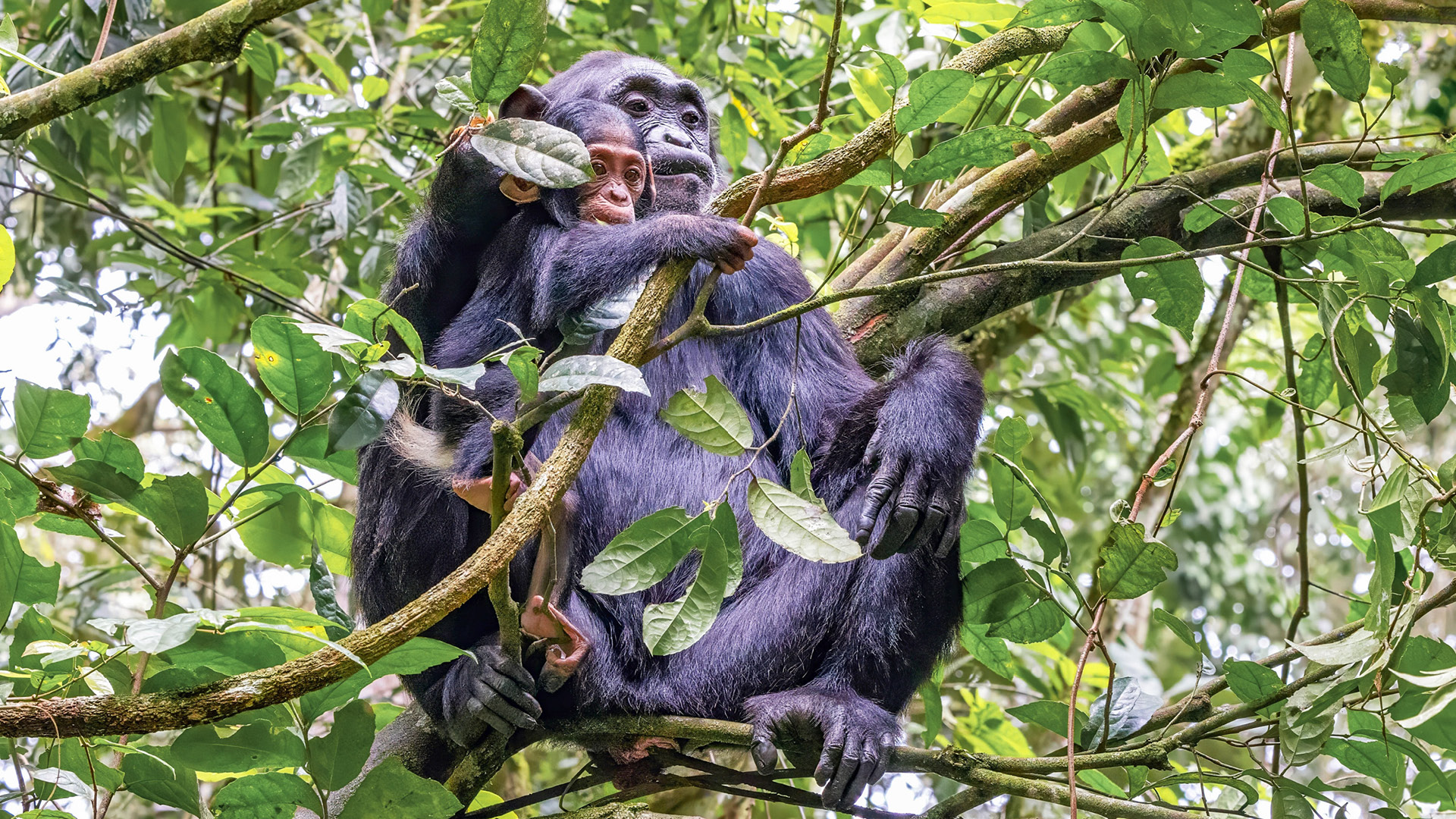
Once the chimpanzees are located, visitors can observe their natural behaviors at close range while maintaining the recommended distance. The experience offers opportunities to watch chimpanzees feeding on fruits and leaves, grooming one another, communicating through calls, climbing trees, and caring for young members of the group. Their energetic movements and complex social interactions make every encounter different.
Unlike gorilla trekking, where gorillas are usually calm and spend much of their time resting, chimpanzees are highly active and often move quickly through the forest. Visitors may need to follow them as they travel through the trees or across the forest floor, making the experience exciting and unpredictable.
The difficulty of chimpanzee tracking depends on the location of the chimpanzee community and the forest conditions. Some trails are relatively easy, while others may involve longer walks, uneven terrain, and muddy sections, especially during rainy periods. Visitors are encouraged to wear comfortable hiking shoes, carry drinking water, and bring rain protection and a camera.
Chimpanzee tracking is not only a wildlife adventure but also an opportunity to learn about primate conservation and the importance of protecting Uganda's forests. The experience provides a deeper understanding of chimpanzees and their role within the natural ecosystem, making it one of the most memorable activities on a Uganda safari.
Best Time for Chimpanzee Tracking in Uganda
Dry Season
The dry seasons, which usually occur from June to September and December to February, are considered some of the best periods for chimpanzee tracking. During these months, forest trails are generally easier to navigate, with less mud and fewer disruptions caused by heavy rainfall.
The drier conditions also make photography more convenient, as visitors can spend more time observing chimpanzees without frequent rain interruptions. These months are popular with travelers combining chimpanzee tracking with gorilla trekking, wildlife safaris, and other activities across Uganda.
Wet Season
The wet seasons, which normally occur from March to May and October to November, bring more rainfall to Uganda's forests. While trails may become wetter and more challenging, the forests are at their most beautiful, with lush vegetation, fresh greenery, and abundant food sources for chimpanzees.
The wet season can also offer advantages such as fewer visitors, a quieter forest experience, and potential discounts on accommodation. For photographers and nature lovers, the vibrant forest scenery during this period can create excellent opportunities for capturing the beauty of Uganda's tropical ecosystems.
Chimpanzee Sightings Throughout the Year
Chimpanzee tracking remains highly rewarding in every season because the chimpanzee communities used for tourism are habituated and monitored regularly by trained trackers. This daily monitoring helps guides locate the groups and provides visitors with excellent chances of enjoying close encounters.
The best time to visit ultimately depends on individual preferences. Travelers who prefer easier hiking conditions often choose the dry seasons, while those seeking fewer crowds and greener landscapes may enjoy traveling during the wetter months.
Regardless of the season, chimpanzee tracking in Uganda offers an unforgettable opportunity to explore ancient forests and observe one of the world's most intelligent primates in their natural environment.
Inclusions
- Basic first aid support
- Bottled drinking water
- Equipment as listed in itinerary
- Necessary activity permits
- Park entry fees
- Professional guide
- Transport during activity
Exclusions
- Alcoholic drinks
- International flights
- Items not mentioned as included
- Laundry services
- Medical costs
- Personal expenses
- Tips and gratuities
- Travel insurance
- Visa fees
What to Bring
Gallery
You Might Also Like