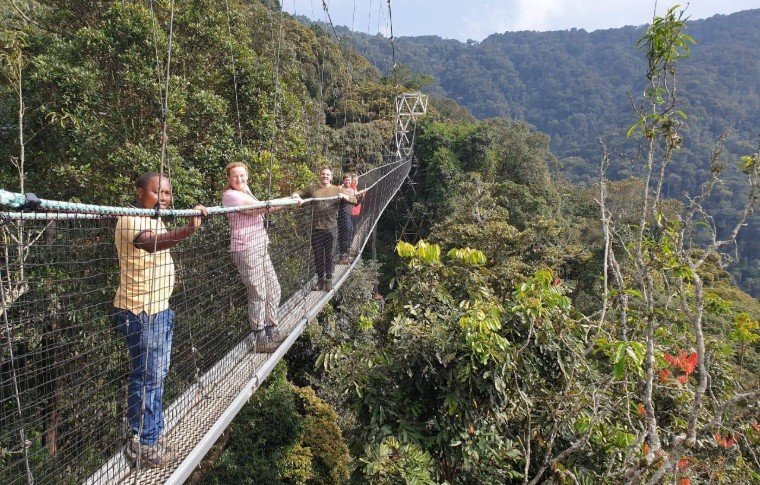
Rwanda has become one of Africa’s leading destinations for eco-tourism, offering travelers an opportunity to
experience remarkable wildlife, pristine forests, volcanic landscapes, and vibrant communities while supporting conservation and sustainable tourism initiatives. For nature lovers seeking meaningful travel experiences without the high costs often associated with luxury eco-tourism, affordable eco-adventure tours in Rwanda provide the perfect solution.
An eco-adventure safari combines outdoor exploration,
wildlife encounters,
cultural experiences, and environmental awareness. Unlike traditional sightseeing holidays, eco-adventure tours focus on responsible travel practices that contribute to conservation efforts, protect natural habitats, and benefit local communities.
Rwanda’s commitment to conservation has transformed the country into a global model for sustainable tourism. Through careful management of national parks,
wildlife protection programs, and community-based tourism projects, Rwanda has successfully preserved some of Africa’s most important ecosystems while creating opportunities for visitors to enjoy authentic nature-based experiences.
What Is an Eco-Adventure Tour and Why Does It Matter?
An eco-adventure tour combines outdoor activities with environmentally responsible travel practices. Unlike conventional tourism, which often prioritises comfort and convenience above all else, eco-adventure travel is built around three core commitments conservation, education, and respect for the natural and cultural environments being visited. Every experience on an eco-adventure itinerary is designed not just to thrill the traveller, but to deepen their understanding of the ecosystems they are moving through and to ensure that their presence leaves a net positive impact on the destination.
Eco-adventure travellers are a distinct kind of visitor. They are not simply looking for a photograph or a tick on a bucket list. They want to understand how a forest functions, why a species is endangered, how local communities have adapted to living a longside wildlife, and what conservation efforts are making a measurable difference on the ground. Uganda and Rwanda, sitting side by side in the heart of East and Central Africa, together form one of the most compelling eco-adventure destinations on the planet a region of ancient rainforests, volcanic highlands, sweeping savannahs, and biodiversity so concentrated that no other corner of Africa can match it.
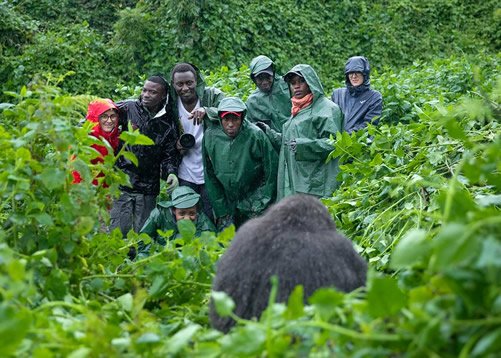
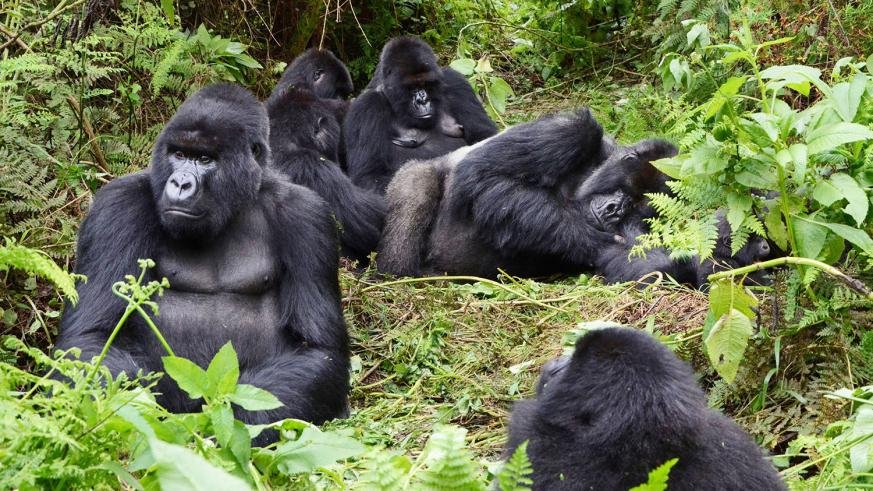
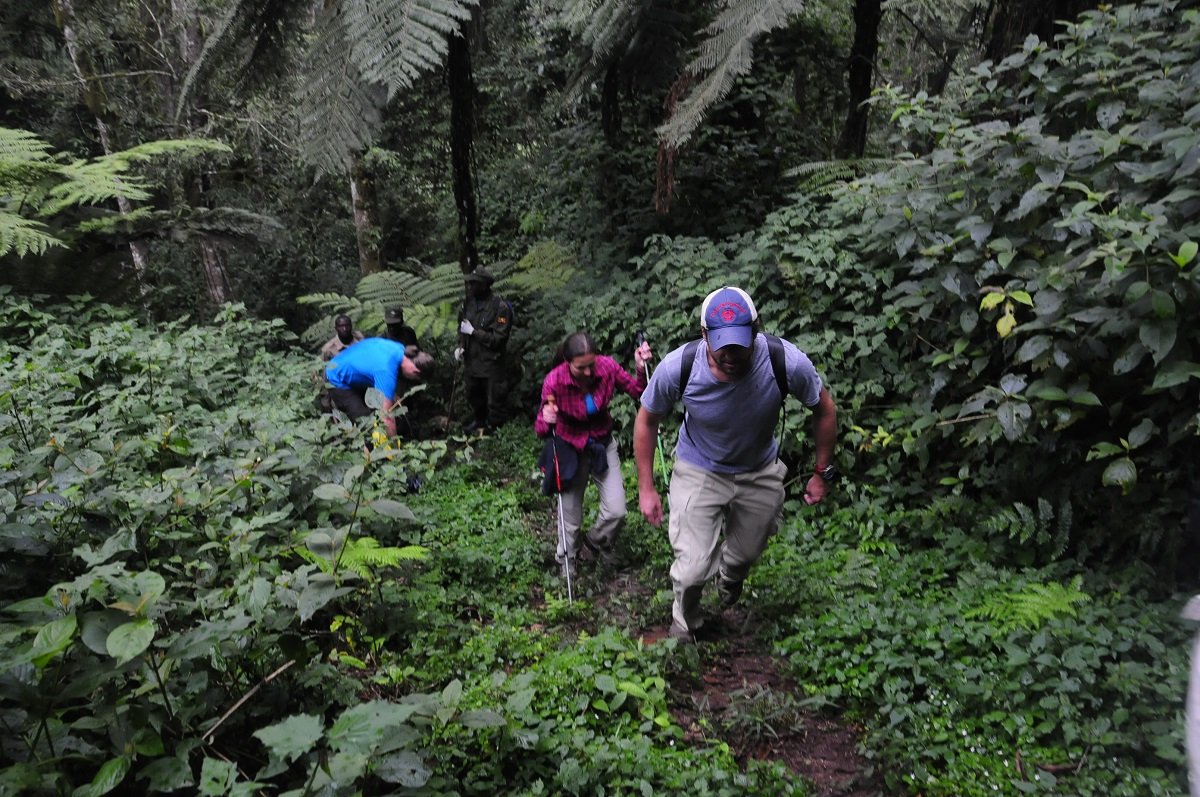
Gorilla Trekking
In both countries, the experience follows the same extraordinary arc a
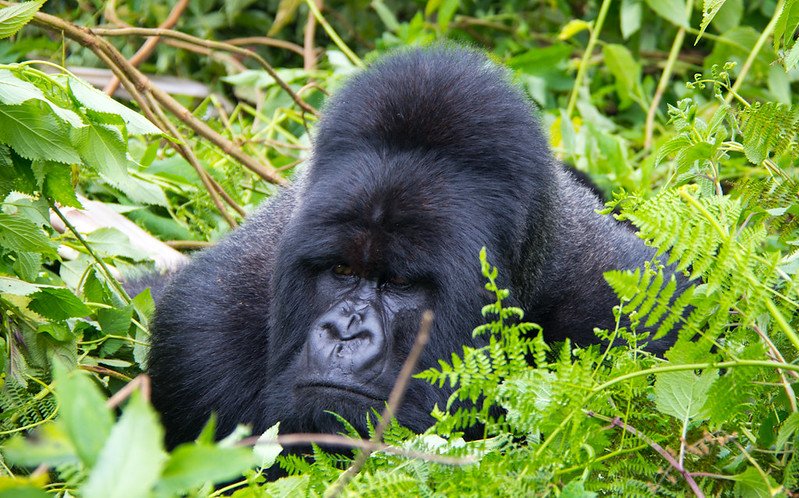
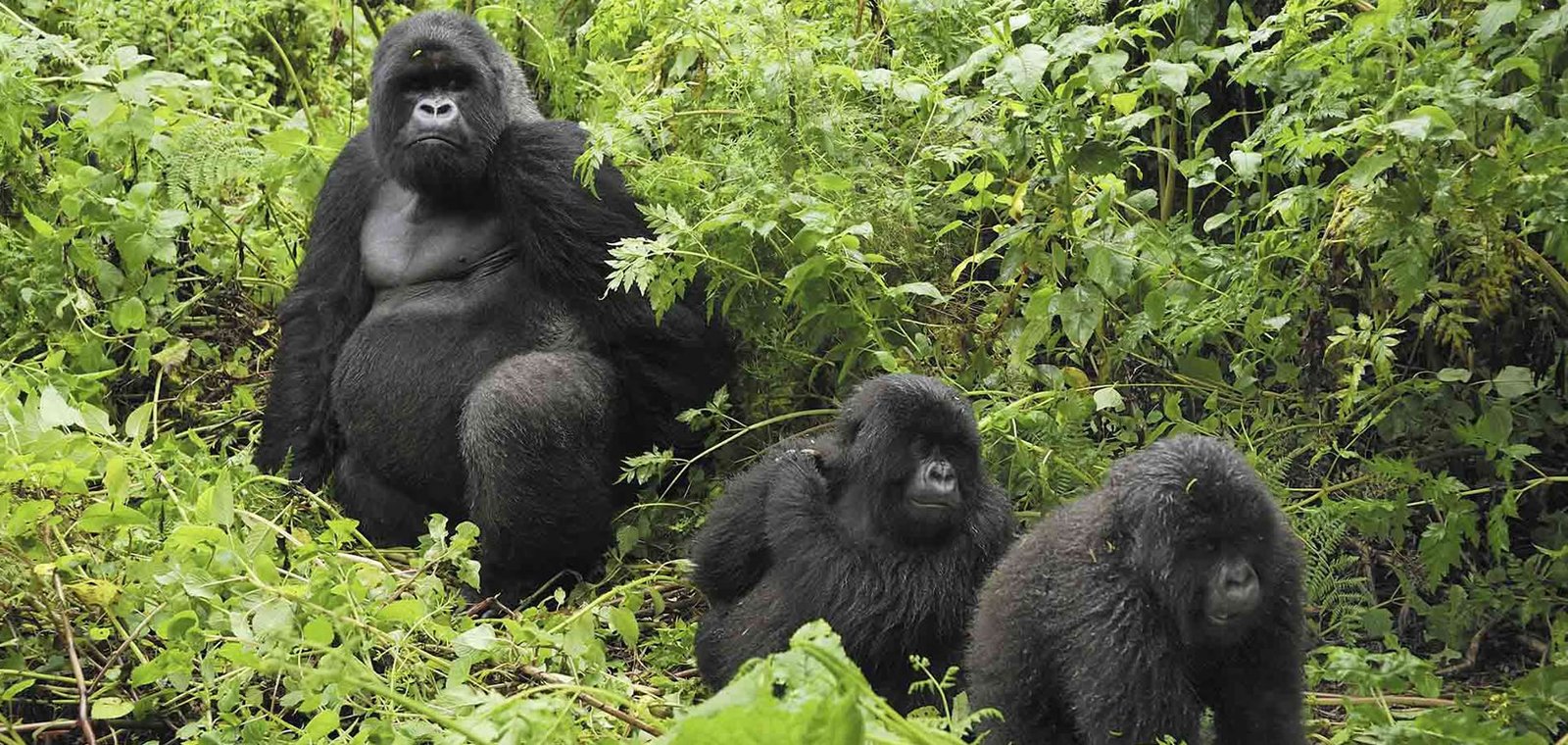
trek through dense montane forest with expert trackers and park rangers, followed by one unforgettable hour in the presence of a
wild mountain gorilla family. Every permit purchased in Uganda through the Uganda Wildlife Authority and in Rwanda through the Rwanda Development Board contributes directly to
mountain gorilla conservation, ranger salaries, and the community programmes that give local people a stake in protecting the forests their livelihoods depend on.
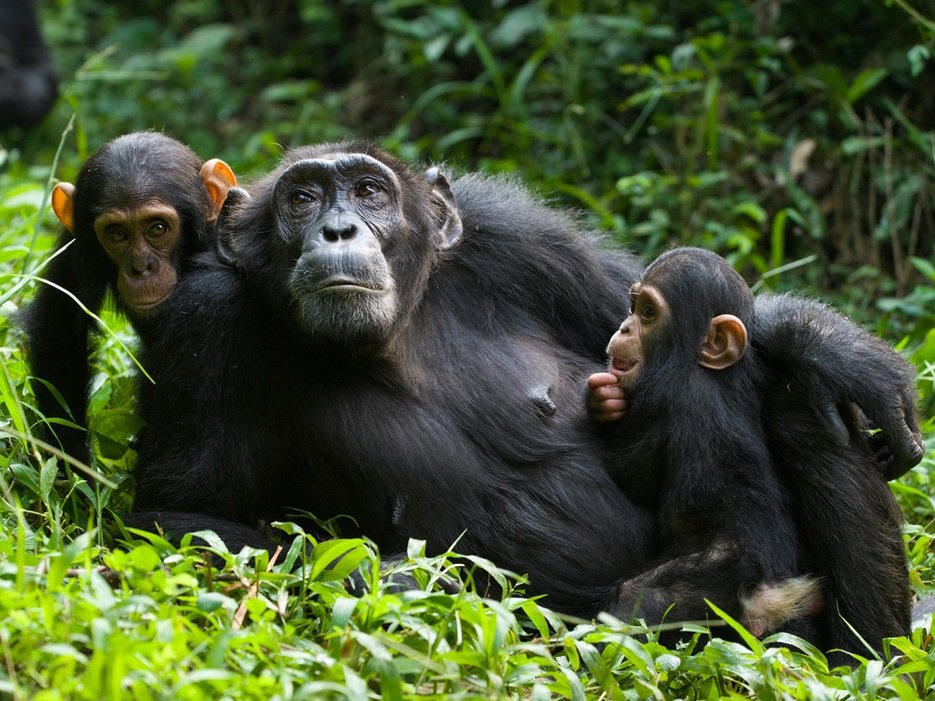
Chimpanzee Tracking
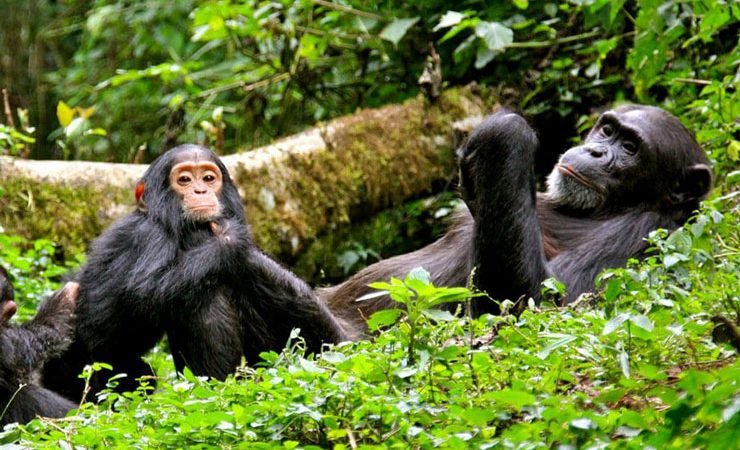
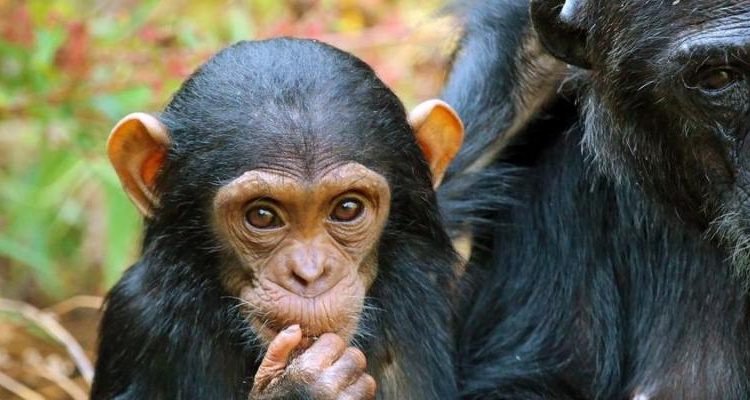
Chimpanzee tracking is one of the most exhilarating eco-adventure activities available in Uganda and Rwanda, offering a primate encounter that is faster, louder, and in many ways more energetically intense than
gorilla trekking. Uganda's Kibale National Park is the undisputed world capital of
chimpanzee tracking, home to the highest density of chimpanzees in Africa and thirteen other primate species sharing the same forest ecosystem. Kibale's habituated chimpanzee communities are among the most studied in the world, and tracking them through the forest listening for their calls, following the trackers' signals, and then finding the troop feeding, playing, or travelling at speed through the canopy is a genuinely thrilling experience.
In
Rwanda, chimpanzee tracking takes place in
Nyungwe Forest National Park in the southwest of the country one of the oldest and most biodiverse montane rainforests in Africa, covering over one thousand square kilometres of pristine highland forest. Nyungwe's habituated chimpanzee communities offer a different but equally compelling
tracking experience, set within a forest that is extraordinarily rich in birds, primates, and plant diversity. Combining
chimpanzee tracking in both Uganda and Rwanda within a single overland safari itinerary gives travellers the most comprehensive wild chimpanzee experience available anywhere in East Africa.
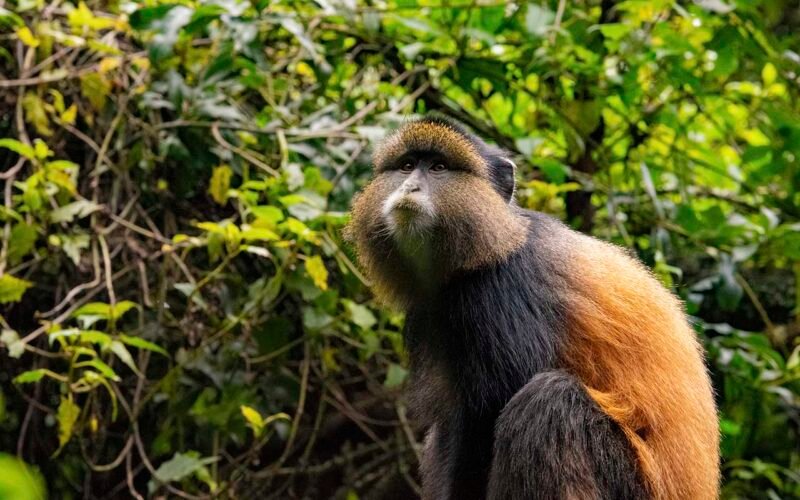
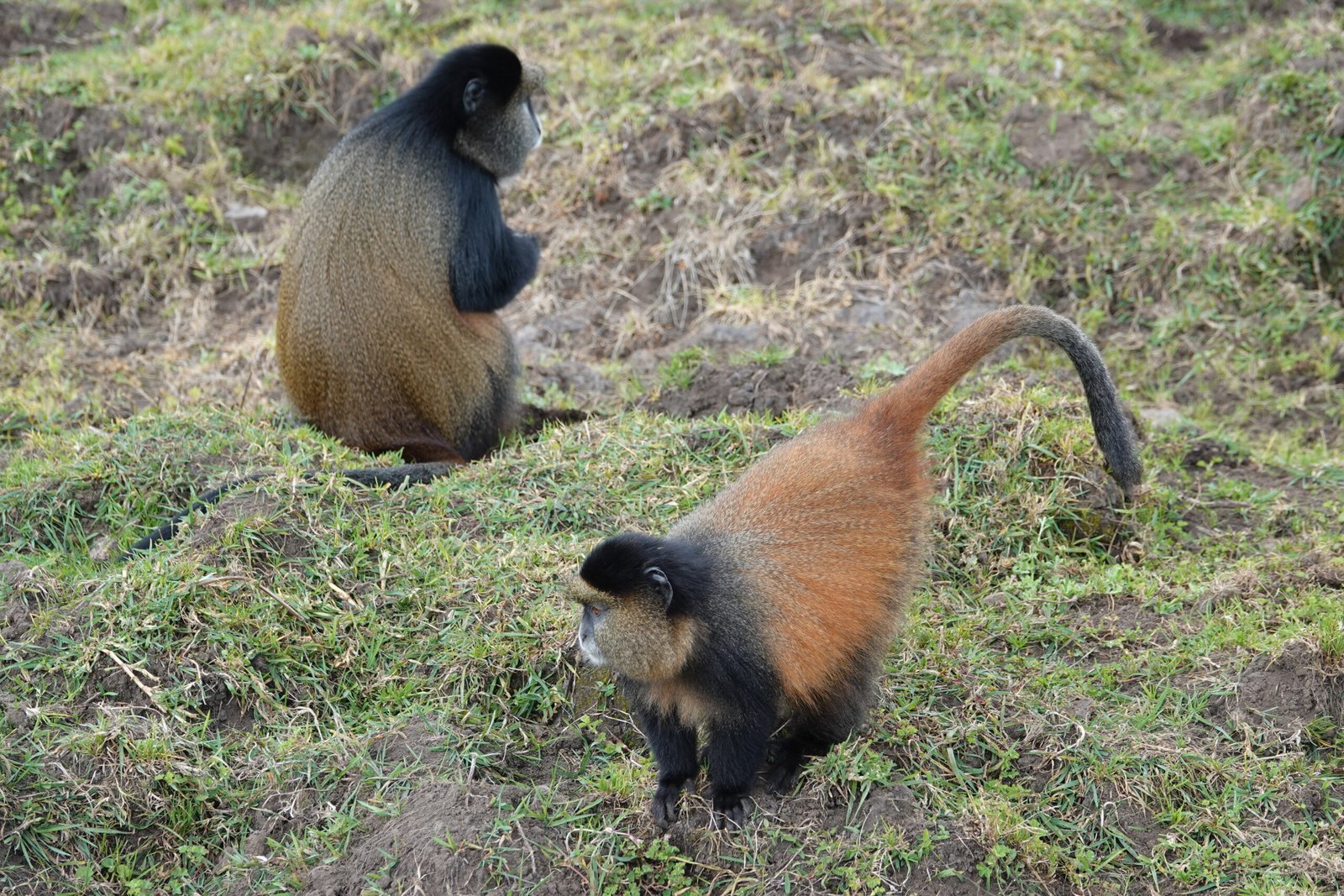
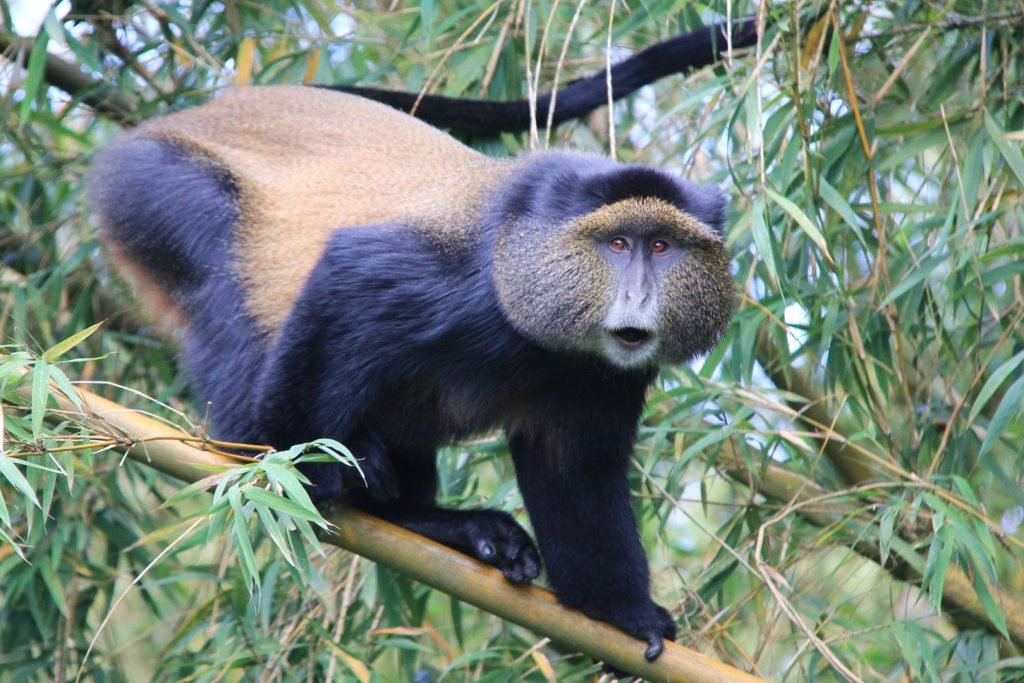
Golden Monkey Trekking
Wildlife Safaris
Wildlife safaris in Uganda and Rwanda offer two very different but equally extraordinary versions of the classic African
big game experience, each shaped by the unique landscapes and conservation histories of the two countries.
Uganda's savannah national parks are among East Africa's most diverse and dramatically situated wildlife destinations.
Queen Elizabeth National Park stretches across the floor of the Western Rift Valley between the
Rwenzori Mountains and
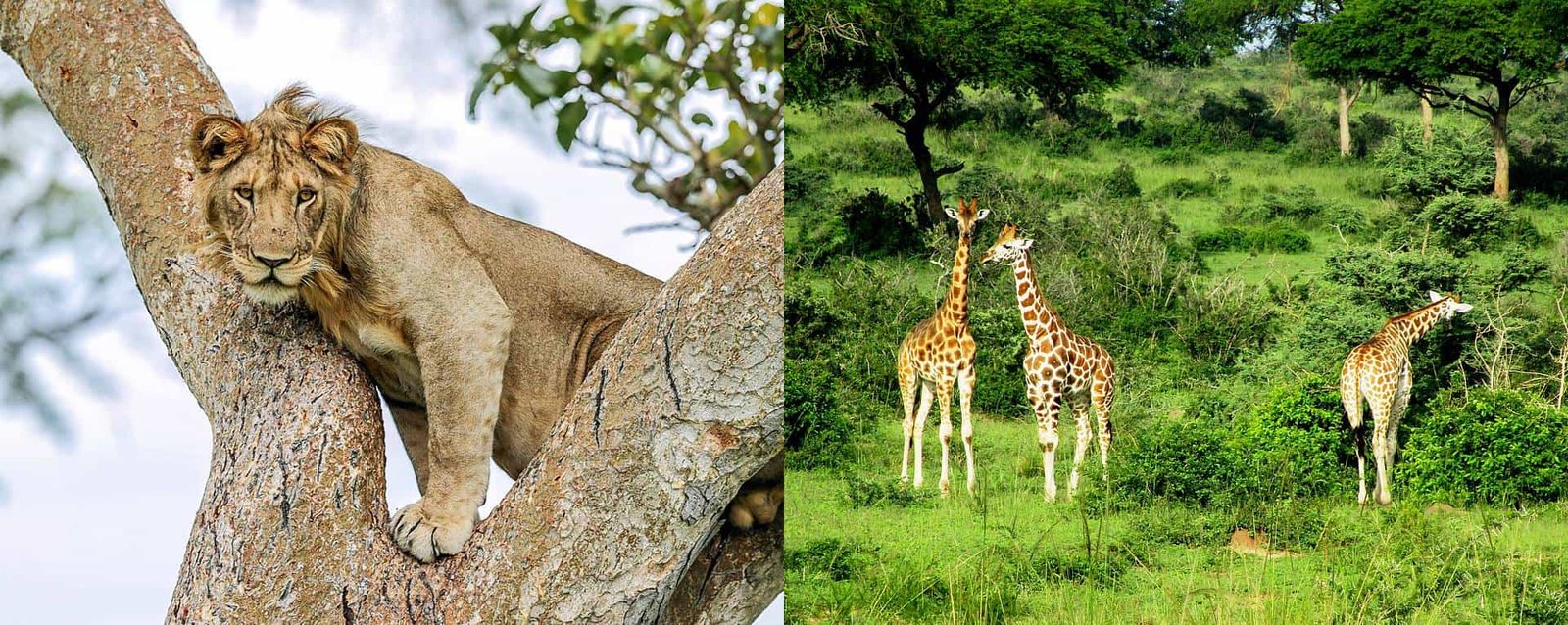
Lake Edward, supporting lions including the famous
tree-climbing lions of the
Ishasha sector leopards, elephants, buffaloes, hippos, and the extraordinary diversity of the
Kazinga Channel waterway.
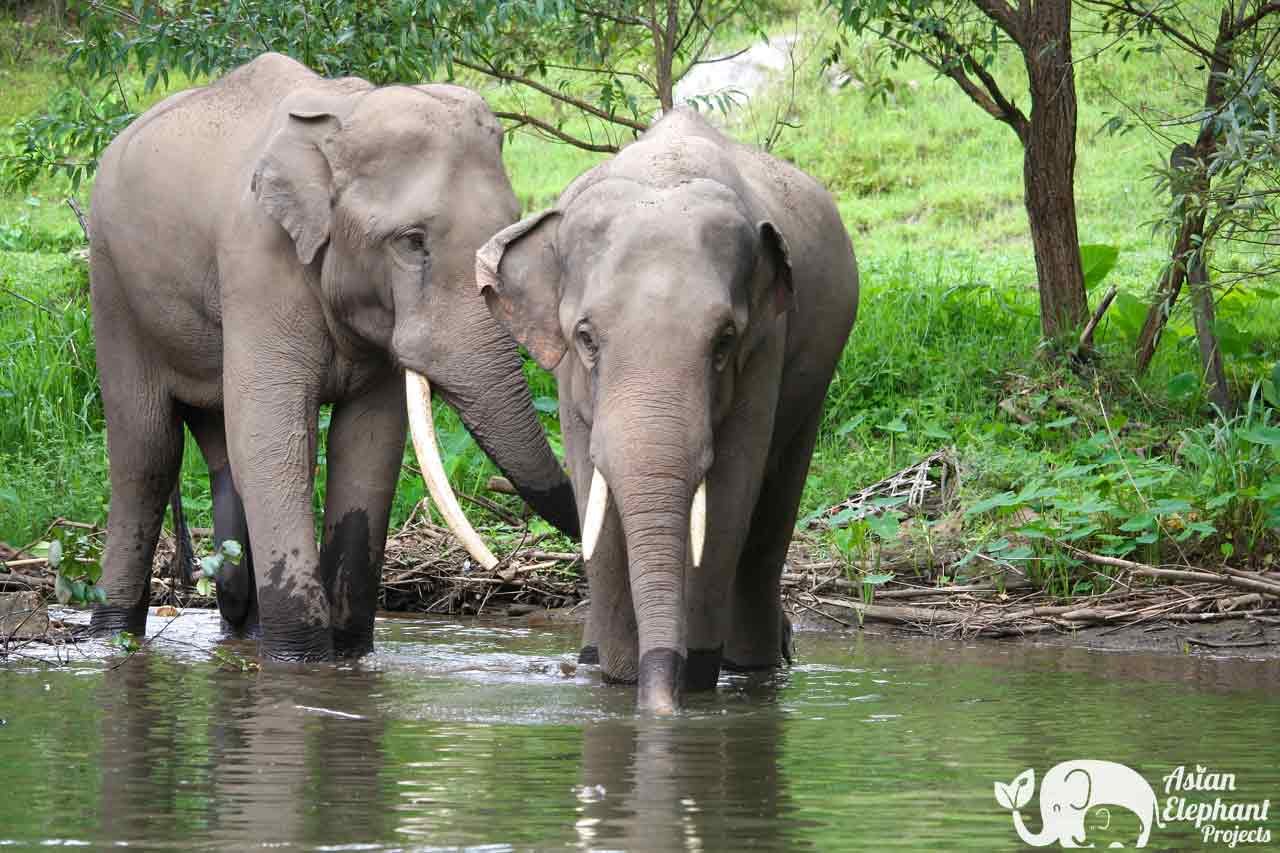
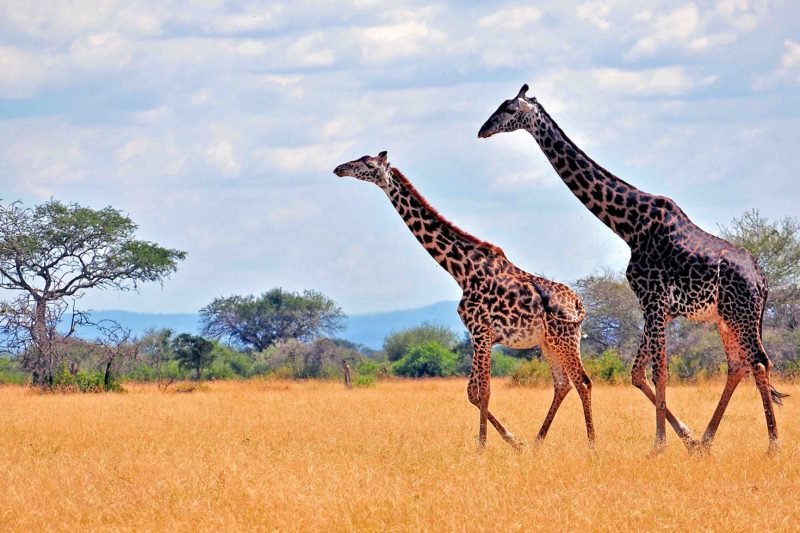
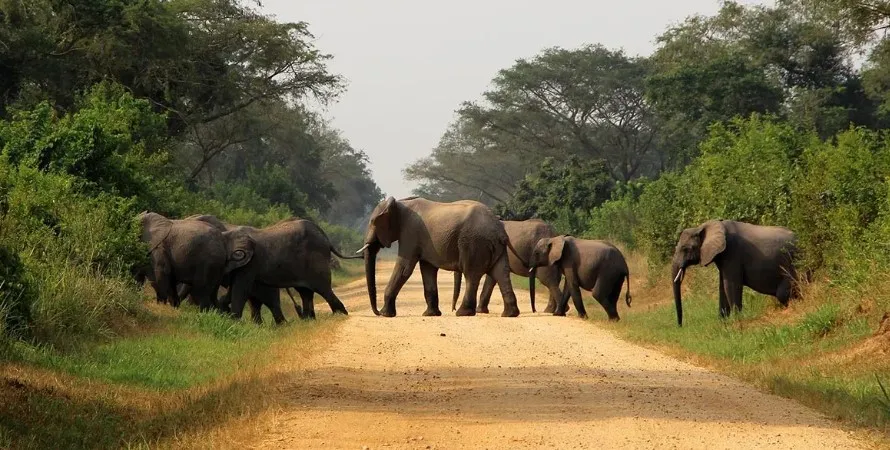
Murchison Falls National Park in the northwest is Uganda's largest protected area, home to massive elephant herds, Nile crocodiles, giraffes, and lions, all accessible by
game drive and by boat along the Victoria Nile to the base of the world's most powerful waterfall.
Lake Mburo National Park in western Uganda offers Uganda's only zebra population alongside impala, eland, topi, and one of the densest hippo populations in the country.
Rwanda's
Akagera National Park in the east delivers a
savannah safari experience within one of Africa's most inspiring conservation comeback stories. Once severely degraded by poaching and encroachment, Akagera has been dramatically restored over the past decade through a partnership between the Rwanda Development Board and African Parks. Lions were reintroduced in 2015, black rhinos followed in 2017, and the park now supports growing populations of elephants, giraffes, zebras, leopards, and over five hundred bird species along the
Akagera River floodplain
Birdwatching Excursions
Uganda and Rwanda together constitute one of the most important
birdwatching destinations in the entire African continent, offering a combined species list that includes over one thousand recorded birds and an extraordinary concentration of
Albertine Rift endemics found nowhere else on Earth
Uganda is consistently ranked among Africa's top
three birdwatching countries, with over 1,080 recorded species the highest count of any country its size in the world.
Bwindi Impenetrable Forest alone shelters over 350 species including twenty-three Albertine Rift endemics, and the park's forest interior offers some of the most rewarding
birdwatching in Africa for species including the African green broadbill, Shelley's crimsonwing, and the bar-tailed trogon.
Queen Elizabeth National Park's diverse habitats savannah, wetland, forest, and lakeshore support over six hundred species, making it one of Uganda's most productive single-site
birdwatching destinations.
Murchison Falls and
Lake Mburo add
shoebill stork sightings, rare papyrus endemics, and open grassland species that complete a
Uganda birding list of remarkable breadth.
Rwanda's birding credentials are anchored by
Nyungwe Forest National Park, which shelters over three hundred species including twenty-nine Albertine Rift endemics. The Rugezi Marsh in northern Rwanda is critical habitat for the endangered grey crowned crane Rwanda's national bird alongside papyrus yellow warbler and other wetland specialists.
Volcanoes National Park's montane forest adds Rwenzori turaco, handsome francolin, and a range of high-altitude forest species to any
Rwanda birdwatching itinerary.
Forest Nature Walks
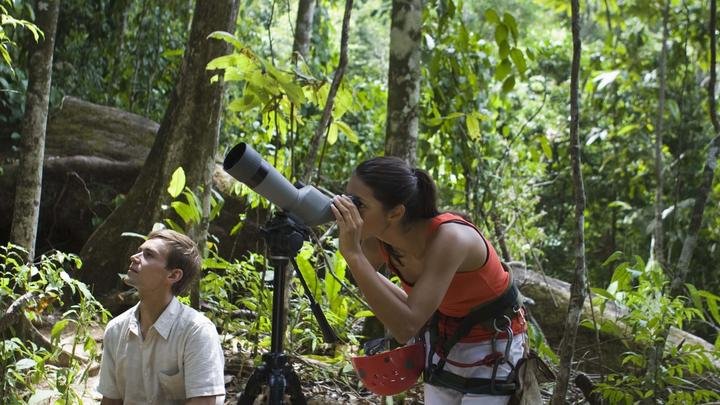
Forest nature walks offer a slower, more contemplative form of eco-adventure that reveals the extraordinary ecological complexity of Uganda and Rwanda's ancient rainforests at ground level and at a human pace. These
guided walks are led by trained naturalist guides who interpret the forest's ecology, medicinal plants, fungi, insect life, and smaller mammals in ways that transform a walk through the trees into a genuine educational immersion.
Community Tourism Experiences
In Uganda, community tourism initiatives around Bwindi include the Bwindi Bar and
Batwa cultural experiences, local craft cooperatives, community-guided village walks, and porter cooperatives that employ local men and women as trekking support for
gorilla and nature walk visitors. In Rwanda, the
Iby'Iwacu Cultural Village near
Volcanoes National Park offers one of East Africa's most celebrated community tourism experiences traditional intore dance performances, medicinal herb demonstrations, and storytelling sessions led by former poachers who have transitioned to conservation and tourism roles. Every community tourism visit on an eco-adventure safari in Uganda or Rwanda generates income that flows directly to local families, creating a powerful economic argument for communities to protect rather than encroach upon the wildlife habitats on their doorstep.
Conservation-Focused Activities
Conservation-focused activities allow eco-adventure travellers to move beyond observation and into active, informed participation in the protection of some of Africa's most endangered ecosystems and species. In Uganda, these activities include visits to the Institute of Tropical Forest Conservation research station in Bwindi, ranger-led conservation education sessions in
Kibale and
Queen Elizabeth National Parks, and participation in community conservation meetings where visitors hear directly from the scientists and rangers working daily to monitor gorilla health, prevent poaching, and manage human-wildlife conflict along park boundaries.
In Rwanda, conservation-focused activities include guided visits to mountain gorilla research and monitoring facilities in
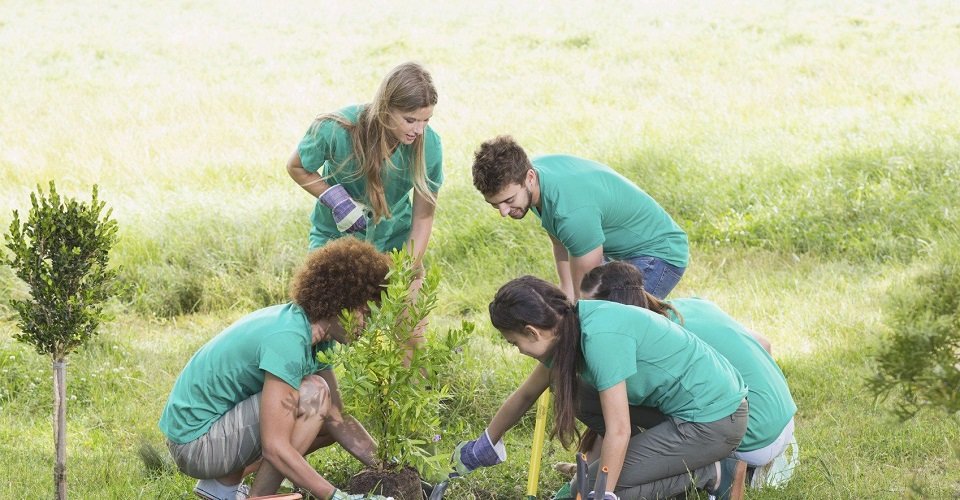
Volcanoes National Park, tree planting initiatives in the buffer zones surrounding
Nyungwe Forest, and engagement with the Gorilla Doctors programme a veterinary conservation initiative that provides health monitoring and emergency care for
Rwanda's habituated gorilla families. For travellers who want their safari to mean something beyond personal experience, conservation-focused activities in Uganda and Rwanda offer a level of purposeful engagement that is rare and genuinely valuable.
Scenic Hiking Adventures
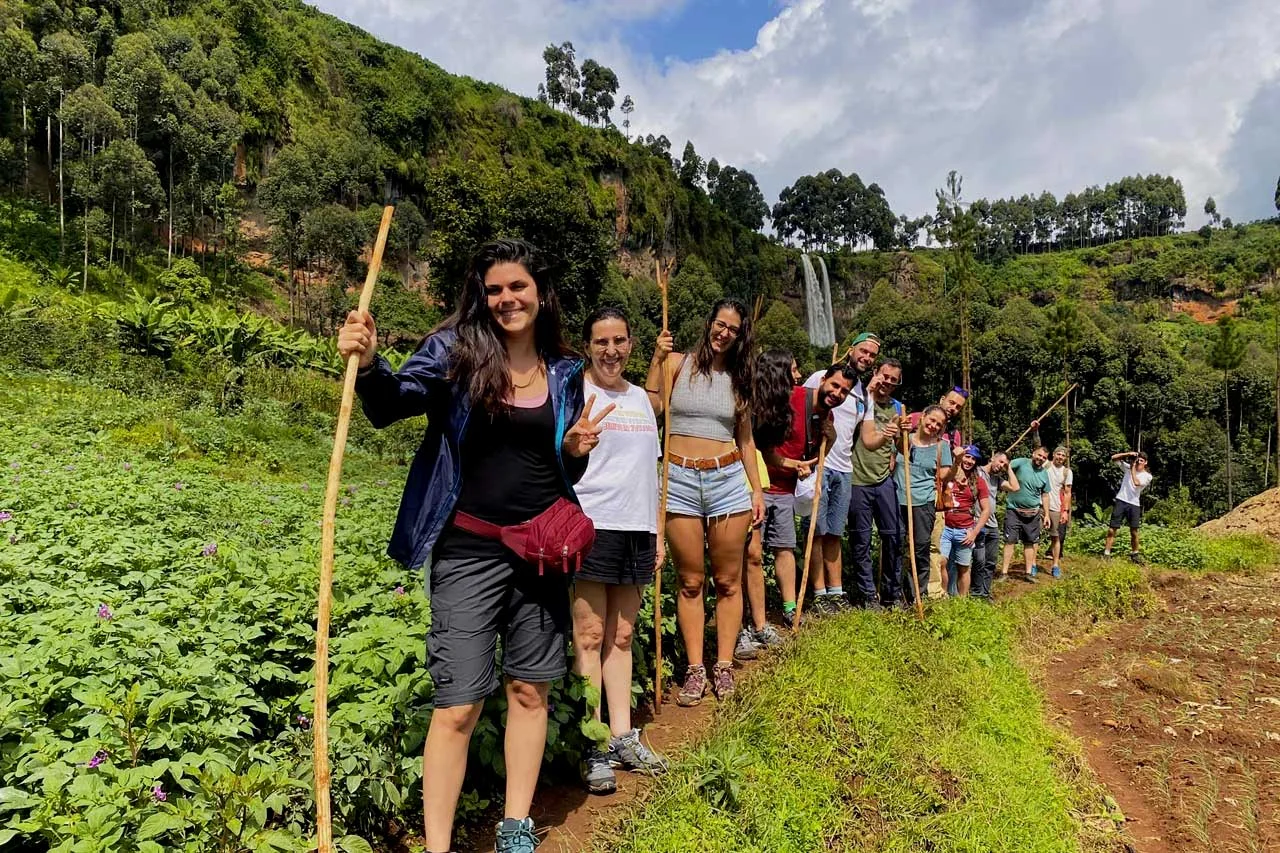
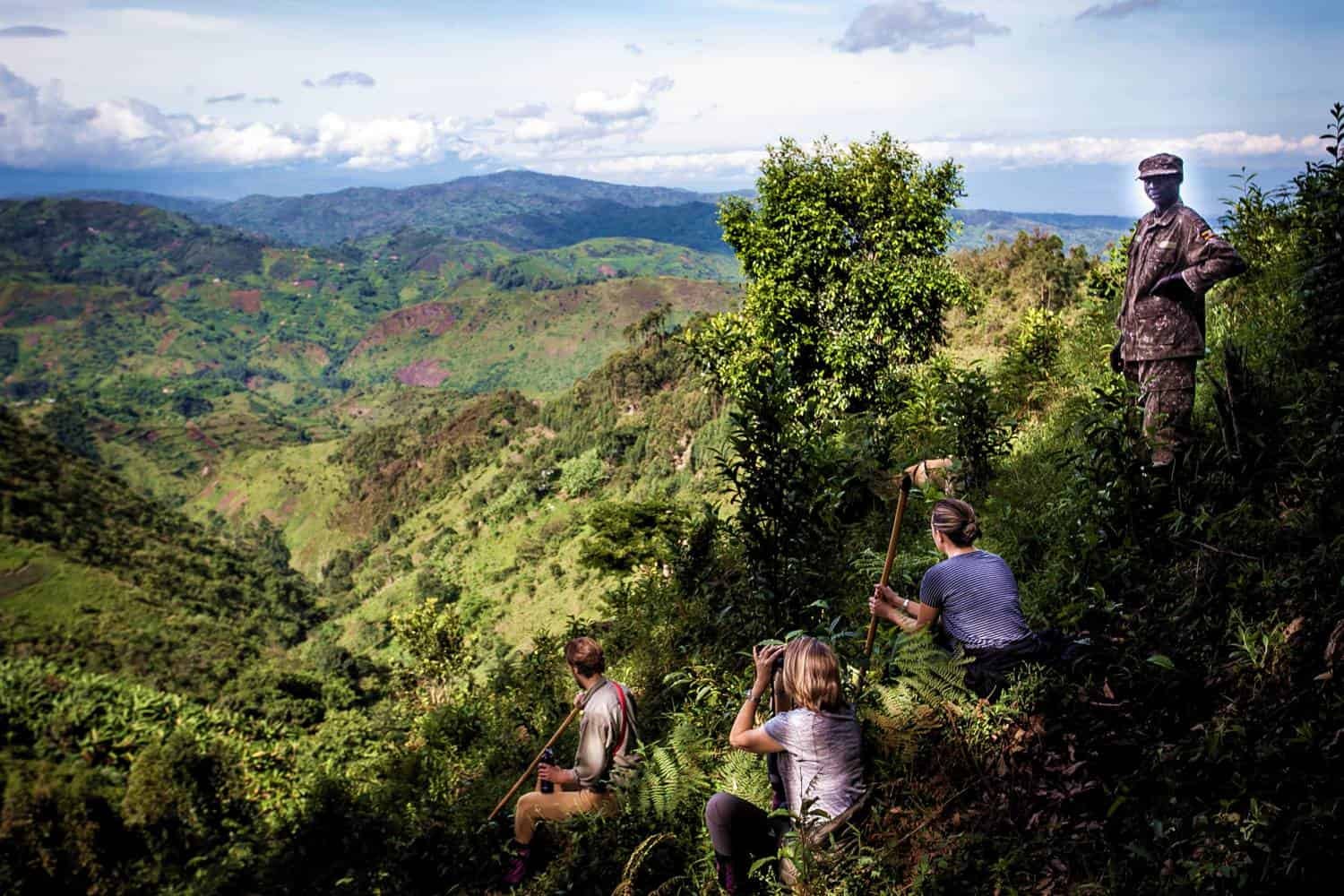
Uganda and Rwanda together offer some of the most dramatic and rewarding scenic
hiking adventures in all of Africa, shaped by the volcanic peaks of the Virunga chain, the high-altitude ridgelines of the
Rwenzori Mountains, the forested hills of the
Kigezi Highlands, and the sweeping escarpments of the Western Rift Valley.
In Uganda, the
Rwenzori Mountains National Park a UNESCO World Heritage Site and one of Africa's highest mountain ranges offers
multi-day high-altitude trekking routes through afro-alpine moorland, glacial valleys, and equatorial snowfields to the summit of
Margherita Peak at 5,109 metres above sea level. For less technical hiking, the crater lakes region around Fort Portal and the rolling highland landscapes surrounding
Bwindi and
Mgahinga offer spectacular guided day walks through some of Uganda's most scenically striking terrain. Mgahinga Gorilla National Park's volcano hiking programme allows visitors to climb
Mount Muhabura,
Mount Gahinga, and Mount Sabyinyo on guided full-day ascents with extraordinary views across Uganda, Rwanda, and the Democratic Republic of Congo.
In Rwanda, the volcanic peaks of
Volcanoes National Park offer a range of
guided hiking experiences from the relatively accessible crater lake hike to Mount Bisoke to the more demanding full-day summit climb of Mount Karisimbi at 4,507 metres the highest point in Rwanda and one of the Virunga chain's most dramatic peaks. Every hike in both countries is guided, every route managed within the national park's conservation framework, and every summit rewards the effort with a perspective on East Africa's most extraordinary landscapes that no vehicle safari can replicate.
Safari packages you may like
Best Time for Eco-Adventure Tours in Uganda and Rwanda
One of the most reassuring truths about planning an eco-adventure safari in Uganda or Rwanda is that neither country has a bad time to visit. The
mountain gorillas of
Bwindi Impenetrable Forest and
Volcanoes National Park do not migrate. The
chimpanzees of Kibale National Park and Nyungwe Forest are present and active every month of the year. The savannah wildlife of
Queen Elizabeth National Park,
Murchison Falls, and
Akagera National Park can be observed in every season. Eco-adventure activities across both countries
gorilla trekking,
chimpanzee tracking,
golden monkey trekking, wildlife safaris,
birdwatching,
forest nature walks, community tourism experiences, and scenic hiking adventures remain fully accessible regardless of when you choose to travel.
What changes with the seasons is not whether the experiences are available, but the conditions under which you enjoy them. Trail difficulty, forest density, photography light, wildlife visibility, lodge pricing, permit availability, and the overall atmosphere of the parks shift meaningfully between Uganda and Rwanda's dry and wet seasons. Understanding those shifts allows you to align your travel dates with the conditions that matter most to you whether that is firm trails for easier trekking, lush green forests for dramatic photography, lower costs for budget-conscious travel, or quieter parks for a more intimate wildlife encounter.
The Long Dry Season June to August
The long dry season running from June through August is the most popular period for eco-adventure travel in both Uganda and Rwanda, and it earns that popularity through genuinely excellent conditions across almost every activity on a safari itinerary.
In Uganda, the long dry season brings firm, navigable trails through Bwindi Impenetrable Forest and Kibale National Park, making gorilla trekking and chimpanzee tracking physically more manageable for visitors of all fitness levels. The reduced ground-level vegetation that comes with drier conditions also improves wildlife visibility within the forest, as gorilla and chimpanzee families move more openly through terrain that is less obscured by wet season undergrowth. On Uganda's savannahs, the dry season concentrates wildlife around permanent water sources in Queen Elizabeth National Park and Murchison Falls, producing some of the most reliable and spectacular game viewing of the year. The famous tree-climbing lions of Ishasha are frequently spotted in their favoured fig trees during this period, and elephant herds gather in large numbers along the banks of the Nile in Murchison.
In Rwanda, the long dry season delivers similarly excellent trekking conditions in Volcanoes National Park, with clearer forest paths, better light for gorilla photography, and the most comfortable overall trekking environment of the year. Akagera National Park's wildlife viewing reaches its annual peak during these months as animals concentrate around the park's lakes and river channels in the absence of widespread surface water. This is also the season when Rwanda's highland landscapes are at their most visually dramatic clear skies reveal the full volcanic silhouette of the Virunga peaks, and the views from the higher gorilla trekking sectors carry for extraordinary distances across the Rift Valley.
The long dry season is peak tourism season across both countries. Gorilla permits in Uganda and Rwanda fill up months in advance during June, July, and August, and accommodation at the most popular lodges surrounding Bwindi, Volcanoes National Park, and Queen Elizabeth books out equally fast. Travellers planning eco-adventure tours during these months should secure permits and accommodation a minimum of four to six months ahead of their travel dates.
The Short Dry Season December to February
The short dry season from December through February is the second most popular window for eco-adventure travel in Uganda and Rwanda, offering conditions that rival the long dry season in many respects while carrying somewhat lower demand pressure particularly in January and February, which represent some of the best value months on the annual safari calendar.
December is a busy month across both countries, particularly around the Christmas and New Year holiday period when international visitor numbers spike and permit availability tightens significantly. Travellers targeting December gorilla trekking in Uganda or Rwanda should book permits four to six months in advance just as they would for the June–August peak. January, however, is a different story entirely. Once the holiday visitors have departed, January settles into one of the most rewarding and underappreciated months for eco-adventure travel in the region dry conditions, excellent wildlife activity, manageable permit availability, and a quieter, more intimate atmosphere in the parks that many experienced safari travellers actively seek out.
February continues in a similar vein, with dry trails, clear skies, and the beginning of the migration of several bird species that makes this an exceptional month for birdwatching across both Uganda and Rwanda. The combination of excellent gorilla trekking conditions and outstanding birding makes the short dry season a particularly strong choice for travellers who want to combine primate encounters with serious birdwatching on a single itinerary.
The Long Wet Season March to May
The long wet season from March through May is the most misunderstood period in the Uganda and Rwanda eco-adventure calendar. Many travellers dismiss these months based on the word wet alone — and in doing so, they overlook what is genuinely one of the most beautiful and rewarding times to experience both countries.
Heavy and persistent rains do fall across Uganda and Rwanda during these months, and the practical implications for trekking are real. Trails in Bwindi Impenetrable Forest, Kibale National Park, and Volcanoes National Park become significantly muddier and more physically demanding. Steep sections require more careful footwork, and the trek to locate gorilla or chimpanzee families can be more exhausting than during the dry season. Porters always recommended become essential during the wet season, and waterproof gear including hiking boots, rain jackets, and dry bags for cameras and electronics is non-negotiable.
What the wet season delivers in return for those extra challenges is extraordinary. The forests of Bwindi, Kibale, and Nyungwe reach their most vivid, saturated green during the wet months a deep, almost luminous richness of colour that photographers consistently describe as the most dramatic of the year. Waterfalls in both countries run at full power, including the magnificent Murchison Falls on the Victoria Nile in Uganda, which achieves its most spectacular volume during the wet season. Newborn animals appear across Uganda's savannah parks as the rains trigger birthing seasons among elephants, buffaloes, and antelopes, creating exceptional wildlife viewing opportunities of a different kind.
Lodge rates across Uganda and Rwanda drop considerably during the long wet season, making March through May the most budget-friendly window for eco-adventure travel in the region. Gorilla permits are easier to secure with shorter booking lead times, and the parks themselves are noticeably quieter a significant advantage for travellers who value solitude and intimacy in their wildlife encounters over the busier atmosphere of peak season.
The Short Wet Season September to November
The short wet season from September through November is widely regarded by experienced safari travellers and professional guides as one of the best-kept secrets in East African eco-adventure tourism. Rains during these months are lighter, shorter, and more intermittent than the heavy downpours of March through May, producing conditions that are closer to the dry season in practical terms while retaining many of the aesthetic advantages of the wetter months.
September in both Uganda and Rwanda typically begins with relatively dry conditions that gradually become wetter through October and into November. Trails in Bwindi and Volcanoes National Park remain manageable for most of September, and the combination of green forest colour and improving light as the season transitions creates some of the year's finest conditions for gorilla and chimpanzee photography. Wildlife in Uganda's savannah parks remains active and visible throughout these months, and the Kazinga Channel boat cruise in Queen Elizabeth National Park is particularly rewarding in September and October when large concentrations of hippos, buffaloes, and water birds congregate along the shoreline.
October and November are outstanding months for birdwatching across both Uganda and Rwanda. The arrival of migratory bird species from Europe and northern Africa during this period dramatically expands the species lists available at every destination Bwindi, Kibale, Queen Elizabeth, Akagera, and Nyungwe all see notable increases in bird activity and diversity, making the short wet season the peak period for serious birdwatching eco-adventure tours in the region.
Lodge rates during the short wet season sit below peak season levels across most destinations in Uganda and Rwanda, and gorilla permit availability is generally more flexible than during the June–August and December–January peaks. For travellers seeking the optimal balance between manageable trekking conditions, exceptional birdwatching, green and photogenic landscapes, and honest value for money, September through November represents the sweet spot of the eco-adventure safari calendar across both Uganda and Rwanda.
Conclusion
Uganda and Rwanda together offer an eco-adventure experience that no other region in Africa can replicate. From
gorilla trekking in Bwindi Impenetrable Forest and Volcanoes National Park to
chimpanzee tracking in Kibale and
Nyungwe, golden monkey trekking on the Virunga slopes,
big game safaris in Queen Elizabeth and
Akagera, and scenic hiking through the
Rwenzori Mountains every activity in both countries is rooted in genuine conservation, community benefit, and the kind of wildlife intimacy that stays with a traveller for life.
The question is never whether Uganda or Rwanda will deliver an extraordinary eco-adventure experience. Both countries do, consistently and reliably, in every season of the year. The question is simply which combination of experiences, destinations, and travel dates best matches your interests, your available time, and your budget and that is a question worth taking seriously.
Eco-adventure travel in this region is not just recreation. Every
gorilla permit purchased, every community porter hired, every cultural village visited, and every conservation activity participated in contributes directly to the protection of
mountain gorillas, chimpanzees, golden monkeys, and the ancient forest ecosystems they depend on. When you choose an eco-adventure safari in Uganda or Rwanda, you choose to be part of one of conservation's most important and inspiring ongoing stories.
The forests are ancient. The wildlife is extraordinary. And the experience whether you are standing metres from a silverback in Bwindi, watching chimpanzees race through the Kibale canopy, or hiking above the clouds on the slopes of Mount Karisimbi will exceed every expectation you bring to it.