Affordable Safari Meals and Tips
Affordable Safari Meals and Tips
Food is an important part of every safari experience, yet it is often overlooked when travelers create their budgets. While accommodation, park fees, and safari activities usually receive the most attention, meal expenses can quickly add up and significantly affect the overall cost of a trip. Travelers who fail to plan for food costs may find themselves spending far more than expected, especially when dining exclusively at safari lodges and tourist-oriented restaurants.
Fortunately, eating well on safari does not have to be expensive. Across Africa, visitors can enjoy a wide variety of affordable and delicious meals while keeping their travel budget under control. Many safari destinations offer local restaurants, community eateries, food markets, and budget-friendly lodges that provide excellent meals at reasonable prices. With proper planning, travelers can enjoy authentic cuisine, maintain their energy during safari activities, and avoid unnecessary food expenses.
Budget-friendly dining is not only about saving money. It also provides opportunities to experience local cultures through traditional foods and community-based dining experiences. From hearty breakfasts before a game drive to packed lunches in the wilderness and affordable dinners after a day of exploration, there are many ways to eat comfortably without overspending.
This guide explores affordable safari meal options and practical tips that can help travelers reduce food costs while enjoying a memorable safari experience.
Why Food Costs Matter on Safari
Many first-time safari travelers underestimate how much they will spend on food during their trip. Meals purchased at luxury lodges, high-end restaurants, and exclusive safari camps can significantly increase daily expenses.
Food costs become even more important during longer safaris where travelers may spend several days or weeks visiting different destinations. Without a clear meal budget, small daily expenses can accumulate quickly.
Planning your meals in advance helps you:
✓ Control daily spending
✓ Avoid unnecessary purchases
✓ Allocate funds more effectively
✓ Enjoy local cuisine
✓ Reduce overall safari costs
Understanding meal options before traveling allows visitors to make informed decisions and avoid financial surprises.
Affordable Safari Breakfast Options
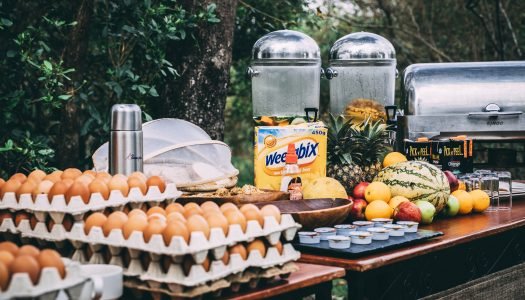
Breakfast is often the most important meal of the day during a safari. Early morning game drives, nature walks, and wildlife excursions require energy, making a good breakfast essential.
Many budget lodges and guesthouses include breakfast in their accommodation rates. Travelers should always confirm what is included before booking.
Affordable breakfast choices commonly include:
✓ Eggs
✓ Bread and toast
✓ Fresh fruit
✓ Porridge
✓ Tea
✓ Coffee
✓ Pancakes
✓ Sausages
✓ Local pastries
Choosing accommodation that includes breakfast can provide substantial savings over the course of a safari.


Budget-Friendly Lunch Ideas
Lunch is often enjoyed during a break between activities or as a packed meal during full-day excursions. Budget travelers can reduce costs by choosing simple but filling meals rather than expensive restaurant dining.
Affordable lunch options include:
✓ Rice and beans
✓ Grilled chicken with vegetables
✓ Chapati and stew
✓ Sandwiches
✓ Fresh fruit
✓ Pasta dishes
✓ Local buffet meals
✓ Packed picnic lunches
Many safari lodges and guesthouses can prepare packed lunches for guests participating in day-long activities, often at a lower cost than purchasing meals elsewhere.

Affordable Dinner Choices
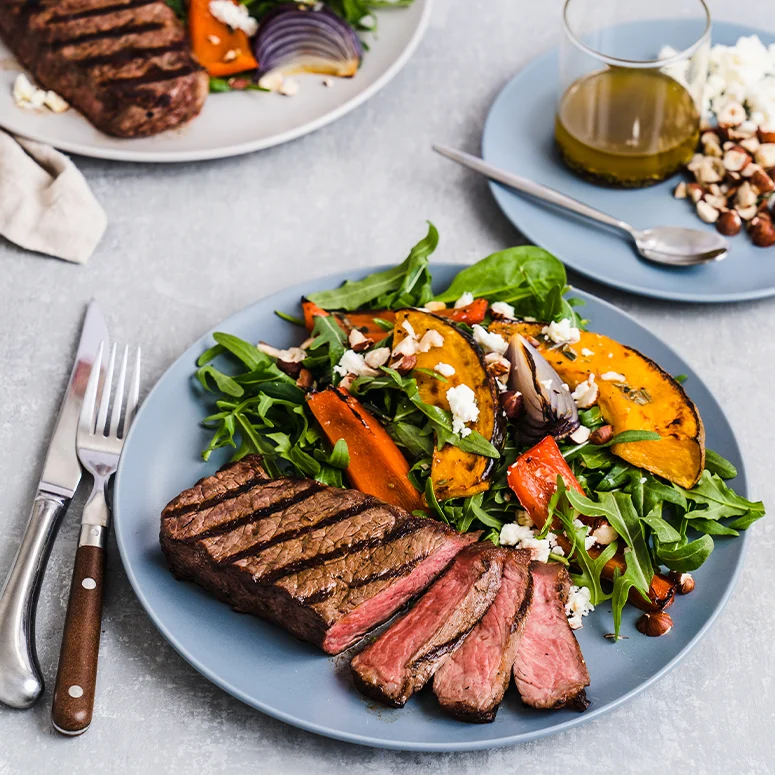
Dinner provides an opportunity to relax and enjoy local cuisine after a day of safari activities. Budget travelers do not need to spend large amounts of money to enjoy satisfying evening meals.
Common affordable dinner options include:
✓ Grilled fish
✓ Rice and vegetable dishes
✓ Traditional stews
✓ Beef and vegetable meals
✓ Chicken dishes
✓ Bean-based meals
✓ Cassava and plantain dishes
✓ Community restaurant specials
Eating at local restaurants rather than tourist-oriented establishments often provides excellent value and authentic culinary experiences.
Traditional African Meals Worth Trying
One of the benefits of budget travel is the opportunity to sample local cuisine. Traditional meals are often more affordable than international dishes while offering a richer cultural experience.
Popular foods found across many African safari destinations include:
✓ Ugali
✓ Chapati
✓ Matoke
✓ Pilau rice
✓ Grilled tilapia
✓ Cassava
✓ Sweet potatoes
✓ Groundnut sauces
✓ Bean stews
✓ Roasted meats
These meals are often filling, nutritious, and reasonably priced.
Buy Snacks Before Safari Activities
Snacks can be surprisingly expensive when purchased inside tourism facilities or safari lodges. Travelers can save money by purchasing snacks before heading into national parks or remote safari areas.
Recommended snacks include:
✓ Biscuits
✓ Nuts
✓ Dried fruit
✓ Bananas
✓ Apples
✓ Energy bars
✓ Crackers
✓ Popcorn
✓ Juice boxes
Having snacks available can reduce unnecessary spending during excursions.
Carry a Reusable Water Bottle
Bottled water purchases may seem inexpensive individually, but the costs can add up quickly during a multi-day safari. Carrying a reusable water bottle helps reduce both expenses and plastic waste.
Benefits include:
✓ Lower daily costs
✓ Environmental sustainability
✓ Convenient hydration
✓ Reduced plastic consumption
Many accommodations provide safe drinking water refill stations for guests.
Choose Accommodation with Meal Plans
When comparing accommodation options, consider whether meals are included in the room rate. Full-board and half-board meal plans can sometimes offer better overall value than purchasing meals separately.
Common meal plan options include:
✓ Bed and breakfast
✓ Half board
✓ Full board
✓ All-inclusive packages
Travelers should compare total costs carefully to determine which option provides the greatest value.
Visit Local Markets
Local markets can be excellent places to purchase affordable food, fresh fruit, snacks, and drinks. They also provide opportunities to interact with local communities and experience everyday life.
Items commonly available at local markets include:
✓ Fresh fruit
✓ Vegetables
✓ Bread
✓ Local snacks
✓ Juice
✓ Traditional foods
Markets are often among the most budget-friendly food sources available to travelers.
Avoid Common Food Budget Mistakes
Many travelers unknowingly increase their food expenses through avoidable mistakes.
Common mistakes include:
✓ Eating every meal at luxury lodges
✓ Purchasing snacks at tourist sites
✓ Ignoring meal-inclusive accommodation
✓ Buying bottled water repeatedly
✓ Ordering expensive imported foods
✓ Not planning daily meal expenses
Avoiding these mistakes can significantly reduce overall safari costs
Sample Daily Food Budget for Budget Travelers
A simple daily meal budget may include:
Breakfast
✓ Lodge breakfast or local café meal
Lunch
✓ Packed lunch or local restaurant meal
Dinner
✓ Community restaurant or guesthouse meal
Snacks and Drinks
✓ Fruit, water, and light refreshments
Creating a daily meal budget helps travelers stay within their financial limits while maintaining a comfortable safari experience.
Best Tips for Saving Money on Safari Meals
The following strategies can help travelers maximize value during their safari:
✓ Eat at local restaurants
✓ Choose accommodation with breakfast included
✓ Purchase snacks in advance
✓ Carry a reusable water bottle
✓ Visit local markets
✓ Try traditional foods
✓ Plan meals ahead of time
✓ Avoid expensive tourist restaurants every day
These simple habits can generate substantial savings over the course of a safari.
Conclusion
Food expenses are an important part of every safari budget, but they do not need to be overwhelming. By planning meals carefully, choosing affordable dining options, eating local cuisine, and avoiding unnecessary spending, travelers can enjoy satisfying meals while keeping costs under control.
From traditional African dishes and local markets to budget-friendly restaurants and meal-inclusive accommodation, there are many opportunities to eat well without exceeding your budget. Travelers who take the time to plan their food expenses often discover that affordable dining enhances both their safari experience and their understanding of local culture.
With the right approach, budget-friendly safari meals can be delicious, memorable, and an important part of a successful African adventure.
Ready to Book Your Safari?
Contact us today and let our expert team help you plan the perfect African adventure.
Request a Quote