Cost Breakdown of Budget Gorilla Trekking
Cost Breakdown of Budget Gorilla Trekking
Gorilla trekking is often assumed to be an experience reserved only for travelers with deep pockets, but with careful planning, it is possible to track mountain gorillas in Uganda or Rwanda without spending a fortune. Understanding exactly where your money goes when planning a budget gorilla trekking trip helps you make smarter decisions, avoid hidden costs, and allocate your funds to the experiences that matter most. Below is a detailed breakdown of every major cost category involved in a budget gorilla trekking safari, along with practical tips on how to keep expenses low without compromising on safety or the quality of your encounter with the gorillas.
Gorilla Permit Costs
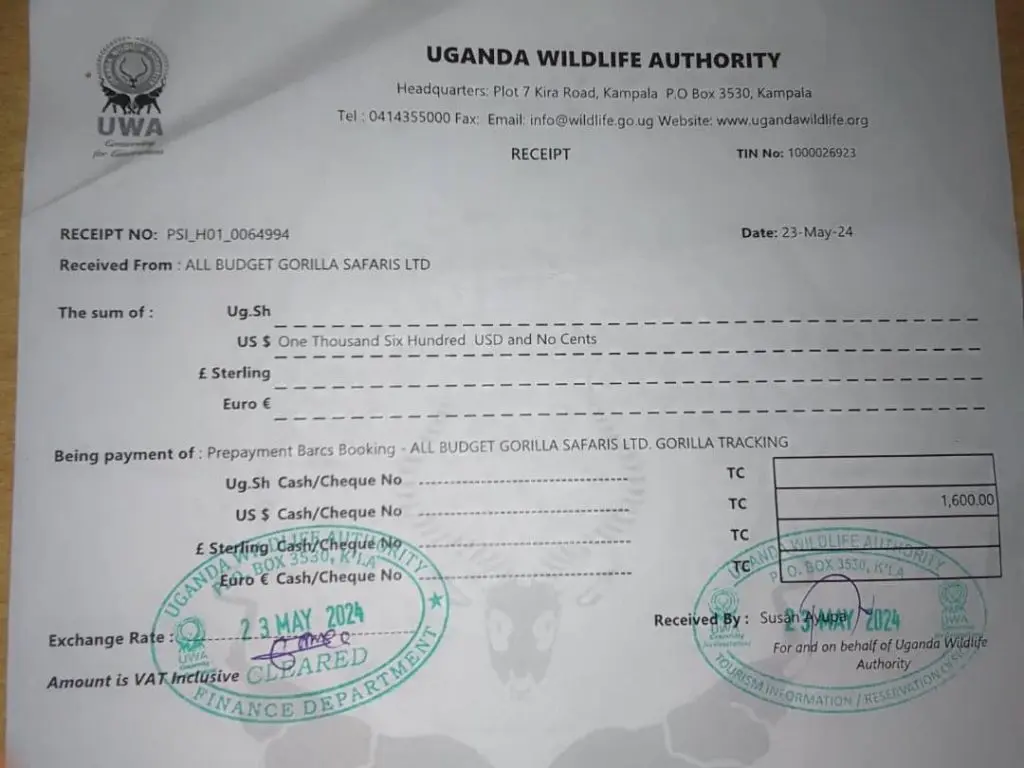
The single largest expense in any gorilla trekking trip is the permit itself, and this is the one cost that cannot be avoided or significantly reduced, since it is set and controlled by the wildlife authorities.
In Uganda, a gorilla trekking permit costs 800 US dollars per person for foreign non-resident visitors, while foreign residents pay 700 US dollars and East African citizens pay a significantly lower rate in Uganda shillings.
In Rwanda, the same permit costs 1500 US dollars per person, which is nearly double the Uganda price, making Uganda the clear choice for budget travelers who still want the full gorilla trekking experience. The Democratic Republic of Congo offers the cheapest permits at around 400 US dollars per person, though travelers must weigh this against the security situation and infrastructure challenges in that region.
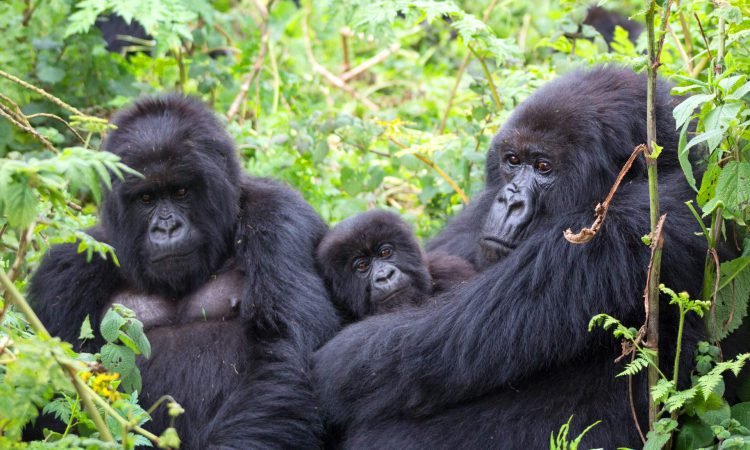
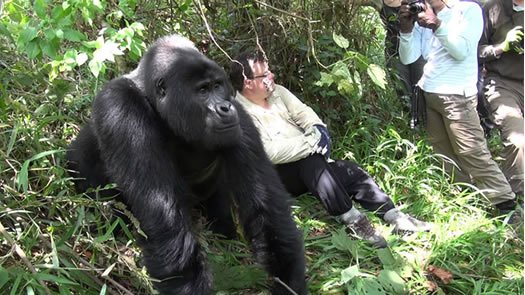
The permit fee covers a guided trek into the forest with park rangers, a maximum of one hour spent with a habituated gorilla family once located, and the conservation contribution that funds anti-poaching patrols, community projects, and ongoing gorilla monitoring. Because the permit is non-negotiable in price, the real opportunities for saving money lie in every other category of the trip.
Park Entry and Trekking Permits Timing
Booking permits during the low season can sometimes unlock discounts. Uganda occasionally offers discounted permits during the rainy months of April, May, and November, when permit prices can drop to around 450 US dollars per person as an incentive to keep visitor numbers steady throughout the year. Travelers who are flexible with their travel dates and willing to trek during wetter months can take advantage of these seasonal price cuts, which represent one of the most significant ways to reduce the overall cost of a gorilla trekking safari.
Accommodation Costs
Accommodation near the gorilla trekking starting points can range from extremely basic guesthouses costing as little as 20 to 40 US dollars per night to ultra luxury lodges charging over 1000 US dollars per night. For a budget trip, staying in simple guesthouses or community run lodges near Bwindi Impenetrable Forest, Mgahinga Gorilla National Park, or Volcanoes National Park is the way to go. These budget accommodations typically offer a clean room, a comfortable bed, hot water, and simple meals, without the frills of infinity pools or personal butlers found in luxury lodges.
In Bwindi, budget travelers can find guesthouses and campsites near all four trekking sectors, Buhoma, Ruhija, Rushaga, and Nkuringo, at rates between 30 and 60 US dollars per night including breakfast. Camping is an even cheaper option in some areas, with campsites charging as little as 10 to 15 US dollars per night for a tent pitch, or slightly more if you need to rent camping equipment. Travelers who bring their own tents and sleeping bags can cut this cost even further.
On the Rwanda side, budget accommodation is harder to find near Volcanoes National Park since the area has been developed primarily for the luxury market, but small guesthouses in the nearby town of Musanze offer rooms for 25 to 50 US dollars per night, requiring a short drive to the park headquarters each morning.
Transportation Costs
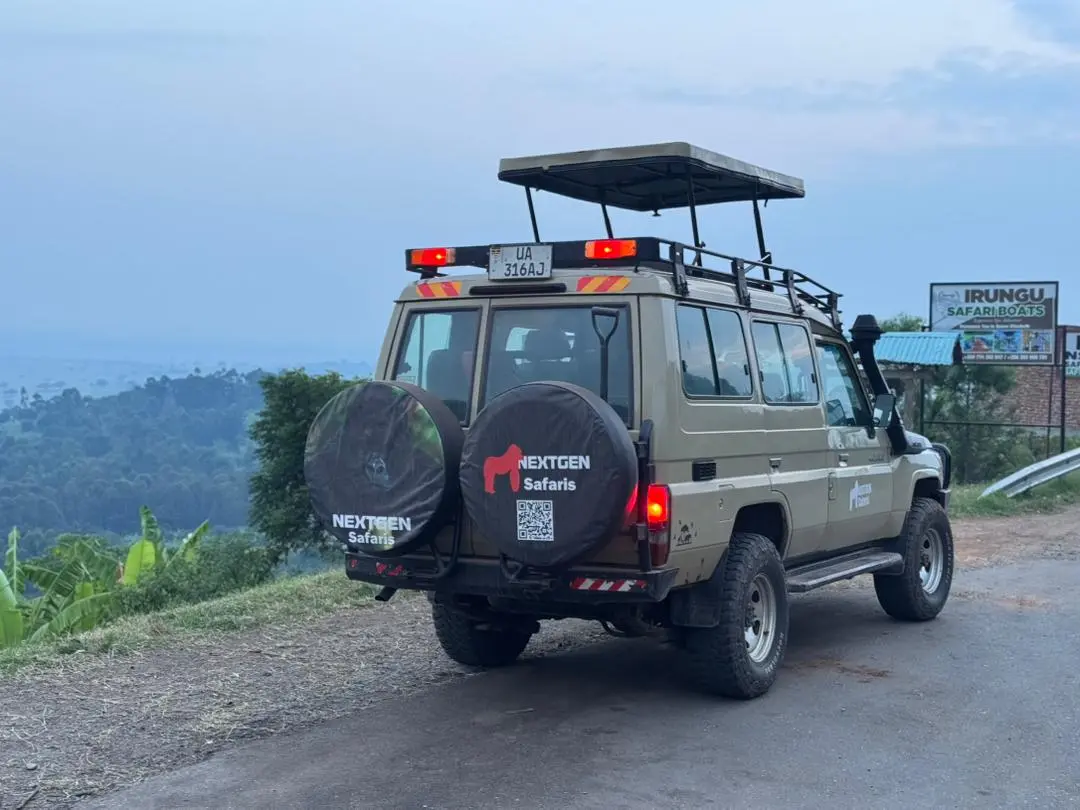
Getting to the gorilla trekking regions is another major cost factor, and this is where budget travelers can make substantial savings compared to those who book private transfers or fly into small airstrips. Public buses and shared taxis connect Kampala to towns near Bwindi such as Kibale and Kisoro, with fares typically between 15 and 25 US dollars for the journey, though the trip can take eight to ten hours depending on road conditions.
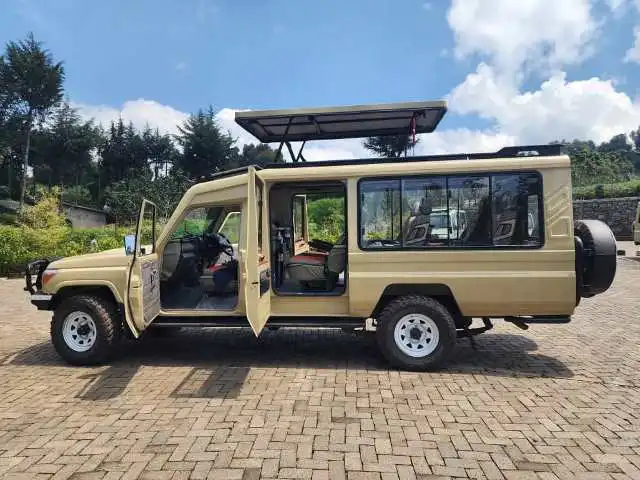
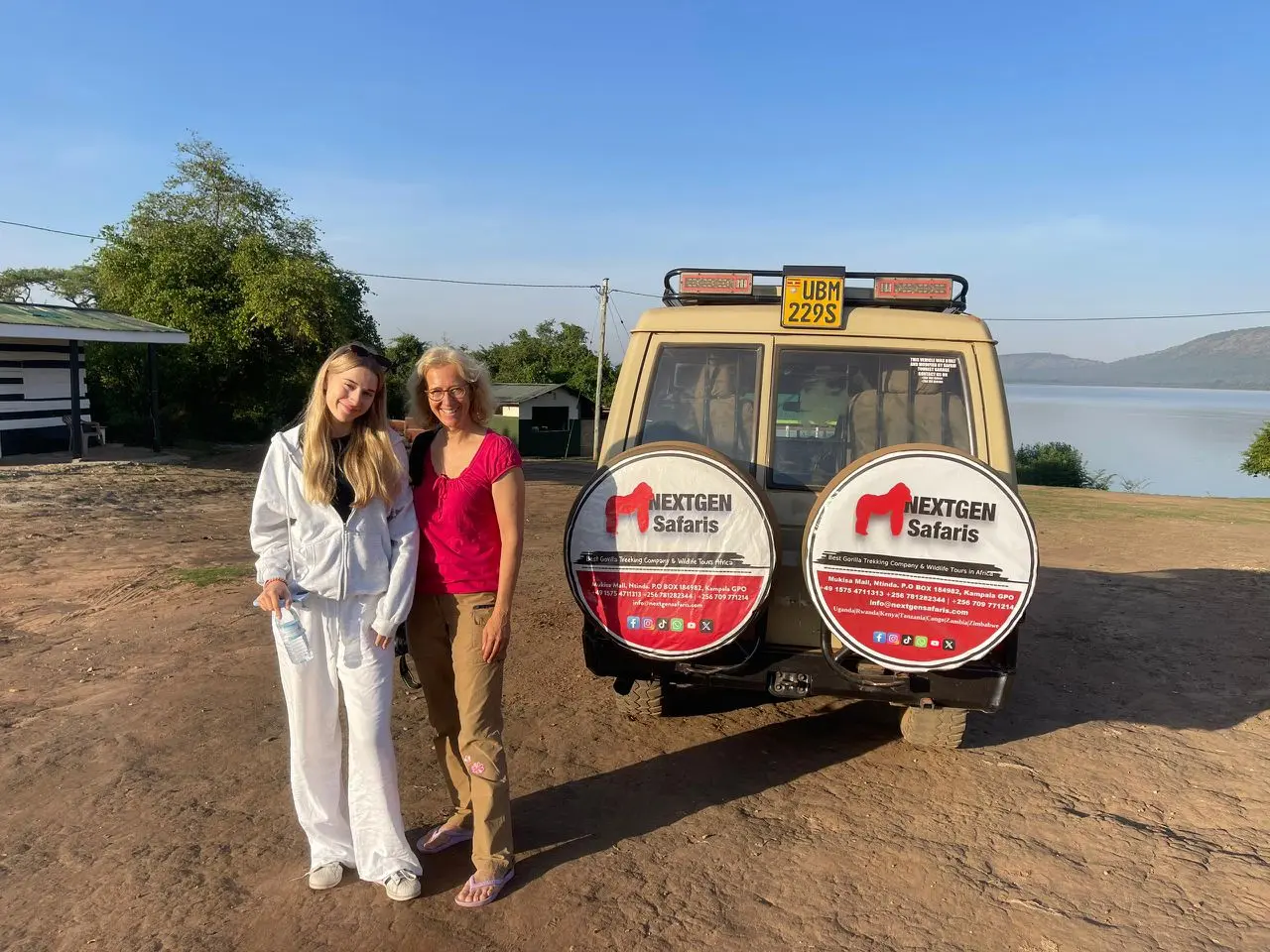
For those wanting more flexibility, hiring a private vehicle with a driver for the entire trip is more expensive, generally costing between 80 and 150 US dollars per day depending on the vehicle type and fuel costs, but this can be shared among a group of travelers to bring the per person cost down significantly. A group of four sharing a vehicle might pay as little as 20 to 35 US dollars per person per day for transport, which becomes quite reasonable when compared to individual bus fares plus the convenience of door-to-door service.
Domestic flights are available from Entebbe to airstrips near Bwindi, but these cost between 350 and 450 US dollars round trip and are generally not part of a budget itinerary. Budget travelers almost always choose road transport, accepting the longer travel time in exchange for substantial savings.
In Rwanda, the distances are much shorter since Volcanoes National Park is only about two and a half hours from Kigali by road. Shared shuttle services or public minibuses cost between 5 and 15 US dollars for the journey, making Rwanda relatively affordable for transport despite its expensive permits.
Meals and Food Costs
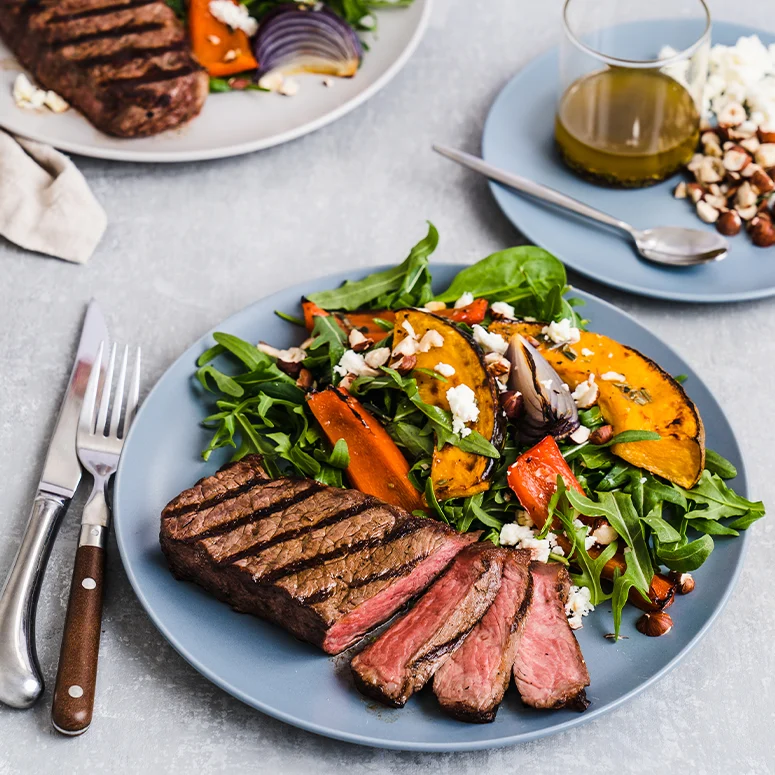
Food costs during a budget gorilla trekking trip are relatively low if travelers stick to local restaurants and simple meals rather than lodge restaurants that cater to international tourists. A local meal at a Ugandan or Rwandan restaurant typically costs between 3 and 6 US dollars, covering a filling plate of rice, beans, matoke, or posho with a meat or vegetable stew. Breakfast is often included in guesthouse rates, reducing the need for a separate breakfast expense.
For trekking day itself, packed lunches are usually provided by the guesthouse or arranged in advance, costing an additional 5 to 8 US dollars, and it is worth carrying extra snacks and water since the trek can last anywhere from two to eight hours depending on where the gorilla family is located on that particular day.
Travelers who cook for themselves, particularly those staying at campsites with basic kitchen facilities, can reduce food costs even further by purchasing fresh produce, bread, and other staples from local markets, often spending less than 10 US dollars per day on food for an entire trip.
Guide and Porter Fees
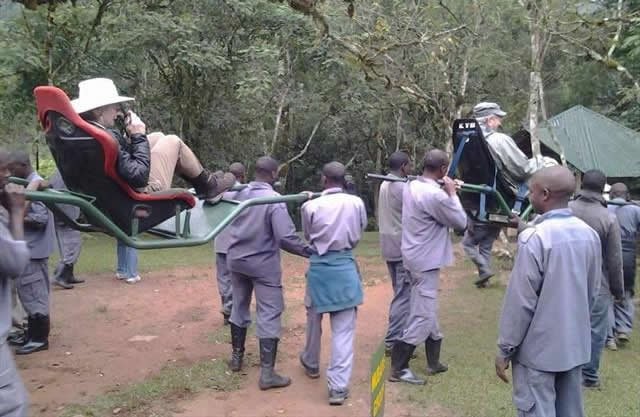
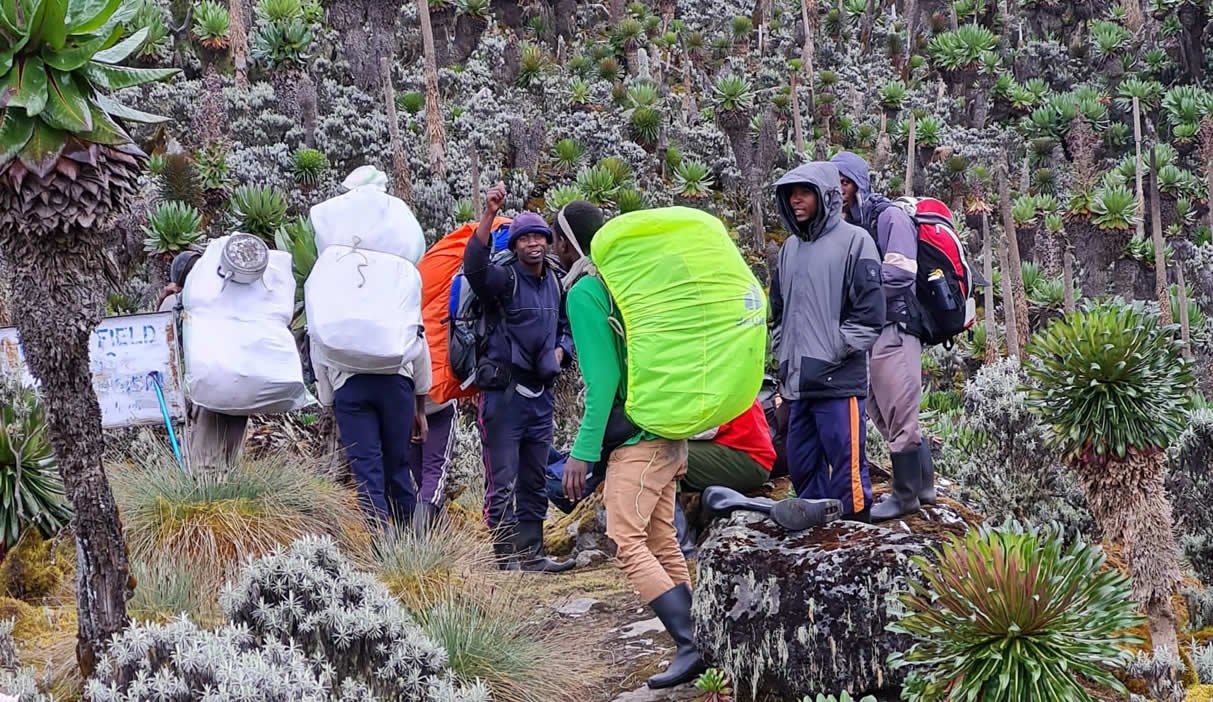
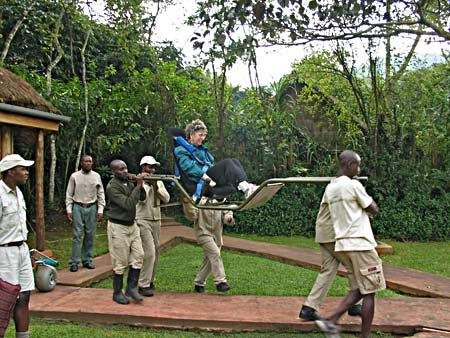
Hiring a porter during the gorilla trek is optional but highly recommended, and it also serves as a meaningful way to support the local community since most porters are former poachers who have been given alternative livelihoods through tourism. Porter fees typically range from 15 to 20 US dollars per trek, and porters carry your daypack, offer a hand on steep or slippery sections, and provide support throughout the sometimes physically demanding hike through dense forest and steep volcanic terrain.
Ranger guide fees are already included within the gorilla permit price, so there is no additional cost for the guides who lead the trek and track the gorilla family using radio communication with trackers who set out earlier in the day. Tipping is customary but not mandatory, and budget travelers should set aside a small amount, generally 10 to 20 US dollars total, to tip the guide, porter, and trackers collectively at the end of the trek as a gesture of appreciation.
Visa and Entry Costs
Visa fees add another line item to the overall budget. Uganda offers a single-entry visa for 50 US dollars, valid for most nationalities and obtainable online in advance or on arrival. Rwanda offers free visas on arrival for citizens of many African countries and a straightforward paid visa process for others, generally costing around 50 US dollars as well. Travelers visiting both countries as part of a combined itinerary, perhaps to compare gorilla trekking in both locations or to cross between parks, should also consider the East Africa Tourist Visa, which costs 100 US dollars and allows multiple entries between Uganda, Rwanda, and Kenya within a 90-day period, which can work out cheaper than paying for two separate single-entry visas.
Equipment and Gear Costs
Proper gear is essential for gorilla trekking, since the terrain is often muddy, steep, and unpredictable. Budget travelers do not need to buy expensive specialized gear, and many items can be rented locally rather than purchased. Gardening gloves or trekking gloves can be bought cheaply in local markets for a few dollars, protecting hands from stinging nettles and rough vegetation along the trail. Gaiters, which help keep mud and biting ants out of boots, can sometimes be rented at the park headquarters for a small fee, typically under 5 US dollars.
Rain jackets are important given the unpredictable mountain weather, and a basic waterproof jacket can be purchased for 15 to 25 US dollars if you do not already own one. Sturdy trekking boots are the most important piece of gear, and while good boots are worth the investment, budget travelers who already own hiking boots from previous trips can avoid this cost entirely.
Walking sticks are usually provided free of charge or for a very small tip at the trailhead, cut from local wood, and these prove invaluable when navigating the often slippery and steep sections of the forest trail.
Additional Costs to Budget For
Beyond the core expenses outlined above, a few smaller costs should be factored into any budget gorilla trekking itinerary. Travel insurance is highly recommended given the physical nature of the trek and the remote locations involved, typically costing between 30 and 60 US dollars depending on trip length and coverage level. Yellow fever vaccination is a mandatory entry requirement for both Uganda and Rwanda, and travelers should budget for this vaccination in advance if not already covered, along with any recommended malaria prophylaxis for the duration of the trip.
Bottled water and personal snacks for the trek add a small additional cost, generally under 5 US dollars per day. Camera fees are not charged separately for gorilla trekking in either Uganda or Rwanda, unlike some other African parks that charge extra for photography equipment, which is good news for travelers wanting to document their encounter without additional charges.
Sample Budget Breakdown for a Three-Day Trip
To put all of these individual costs into perspective, consider a sample budget for a three day, two-night gorilla trekking trip in Uganda for a solo budget traveler. The gorilla permit costs 800 US dollars, accommodation for two nights in a budget guesthouse costs around 100 US dollars total, meals for three days cost approximately 45 US dollars, transportation by public transport from Kampala and back costs around 50 US dollars, a porter for the trek costs 20 US dollars, tips for guides and trackers amount to about 15 US dollars, and the visa costs 50 US dollars. This brings the total to approximately 1080 US dollars for a complete budget gorilla trekking experience, with the permit alone accounting for nearly three quarters of the total cost.
For travelers in a group of four sharing transport and splitting vehicle hire costs, the per person total can drop closer to 950 US dollars, since shared transport significantly reduces the per person transportation expense while all other costs remain roughly the same on an individual basis.
Ways to Further Reduce Costs
Beyond choosing Uganda over Rwandafor cheaper permits, there are several additional strategies budget travelers use to minimize their overall trip cost. Traveling during the low season months of April, May, and November not only reduces permit prices in Uganda but also results in lower accommodation rates across the board, since lodges and guesthouses often discount their rates during quieter periods to attract visitors.
Booking permits well in advance, ideally three to six months ahead, avoids the risk of last-minute price premiums or unavailability that can force travelers into more expensive alternative dates or locations. Traveling in a group naturally reduces per person costs for shared transportation and can sometimes unlock group discounts on accommodation when booking multiple rooms at the same guesthouse.
Choosing overland travel instead of domestic flights, even though it takes longer, remains one of the most effective ways to keep transportation costs low. Combining gorilla trekking with other budget friendly activities in the same region, such as a community walk, a nature hike, or a visit to a local village, adds value to the trip without significantly increasing the overall budget, since many of these activities cost under 20 US dollars per person.
Finally, working with a local tour operator familiar with the region rather than an international agency often results in lower overall package prices, since local operators have direct relationships with guesthouses and transport providers and do not add the same markup that larger international companies typically apply to their packages.
Conclusion
While gorilla trekking will never be an ultra-cheap activity given the mandatory permit costs, understanding exactly where your money goes allows budget conscious travelers to plan an authentic and unforgettable gorilla trekking experience without unnecessary overspending. By choosing Uganda for lower permit costs, traveling during the low season, opting for budget guesthouses over luxury lodges, using public or shared transport, and being strategic about additional expenses like porters and gear, it is entirely possible to track mountain gorillas in their natural habitat on a budget that remains accessible to careful planners, all while contributing directly to the conservation of one of the world's most endangered great apes.
Ready to Book Your Safari?
Contact us today and let our expert team help you plan the perfect African adventure.
Request a Quote