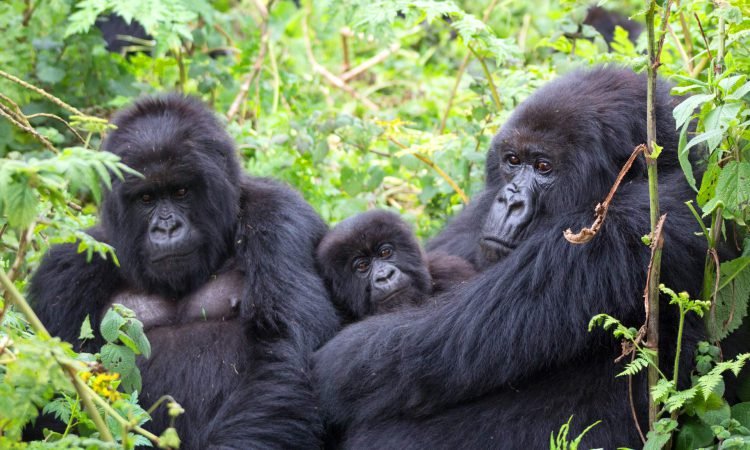
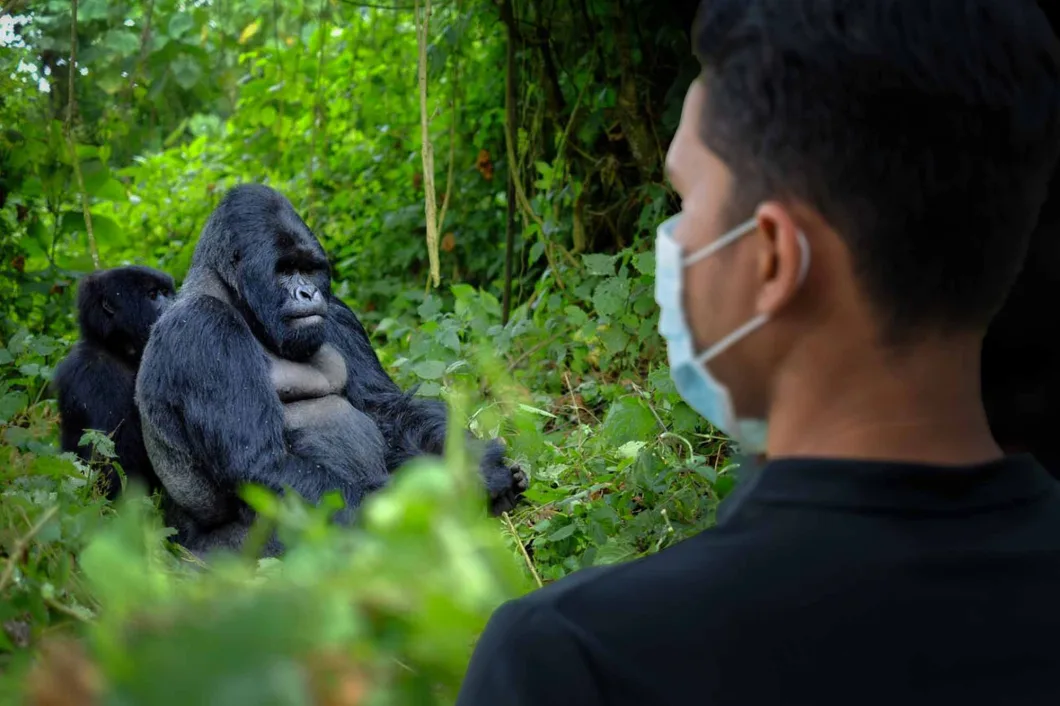
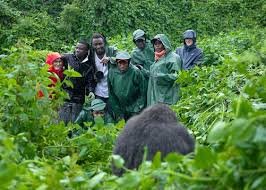
A gorilla trekking safari is one of the most unforgettable wildlife experiences in Africa, offering travelers the rare opportunity to observe endangered mountain gorillas in their natural habitat. While many people assume that
gorilla trekking is only for luxury travelers, it is entirely possible to plan a budget gorilla trekking safari without compromising the quality of the experience.
Planning a budget gorilla safari requires careful consideration of several factors, including permit costs, accommodation choices, transportation options, travel seasons, and tour packages. By making informed decisions and prioritizing value over luxury, travelers can significantly reduce expenses while still enjoying a life-changing encounter with mountain gorillas.
A
budget gorilla trekking safari does not mean sacrificing comfort or missing out on memorable experiences. Many affordable lodges, community guesthouses, and group tour options are available throughout the
gorilla trekking regions of Uganda and Rwanda. These options allow travelers to experience the same gorilla families, national parks, and conservation areas as visitors on more expensive safaris.
Whether you are a backpacker, student, solo traveler, couple, family, or adventure enthusiast, understanding how to plan a budget gorilla trekking safari can help you achieve your travel goals while staying within your budget. With proper preparation and smart travel choices,
gorilla trekking can become an accessible and rewarding adventure for a wide range of travelers.
Choose the Most Affordable Gorilla Trekking Destination
One of the most important steps when planning a budget gorilla trekking safari is selecting the right destination. While both Uganda and Rwanda offer exceptional
gorilla trekking experiences, the overall cost of the safari can vary significantly depending on where you choose to trek.
Uganda's popularity among budget travelers is also driven by the availability of community lodges, budget camps, guesthouses, and shared transportation options. These choices make it easier for travelers to reduce overall safari expenses while still enjoying a world-class wildlife experience.
Travelers should compare the total safari cost rather than focusing solely on permit prices. Factors such as accommodation, transportation, meals, and travel duration can influence the final budget. In some cases, a well-planned Rwanda safari may be competitive with a Uganda trip, particularly for visitors with limited time.
Another option worth considering is combining both countries within a broader East African itinerary. Some travelers choose to
trek gorillas in Uganda because of the lower
permit costs while visiting Rwanda for cultural experiences, city tours, or additional wildlife activities. This approach can provide excellent value while allowing visitors to experience the highlights of both destinations.
By carefully evaluating permit prices, accommodation costs, transportation requirements, and personal travel preferences, you can select the destination that offers the best balance between affordability and the type of gorilla trekking experience you are seeking.
Book Affordable Gorilla Trekking Permits
The
gorilla trekking permit is usually the single largest expense when planning a
gorilla safari. Because permit fees account for a significant portion of the overall trip cost, finding the most affordable permit option can help reduce your budget considerably.
Rwanda also offers
unforgettable gorilla trekking experiences in Volcanoes National Park, but permit prices are typically higher. However, travelers should monitor seasonal promotions and special tourism offers that may occasionally provide discounted permit opportunities. Some travelers also qualify for reduced rates based on residency status or regional citizenship categories.
Booking permits early is one of the best ways to avoid unnecessary costs and disappointment. Last-minute travelers often face limited availability, which may force them to alter travel dates, select more expensive accommodation, or incur additional transportation expenses. Securing permits months in advance allows greater flexibility when planning the rest of the safari.
Working with a reputable safari company can also be beneficial. Experienced tour operators often assist with permit reservations, monitor availability, and advise clients on the most cost-effective travel periods. In some cases, package tours that include permits, accommodation, and transportation may offer better value than booking each component separately.
Travelers should also be aware of permit cancellation policies and payment requirements. Understanding these details before making a reservation can help avoid unexpected expenses and ensure a smoother planning process.
Because permit availability is limited each day to protect
mountain gorillas and their habitat, obtaining a permit should be one of the first steps in planning a gorilla safari. Once your permit is secured, it becomes much easier to organize accommodation, transportation, and other travel arrangements around your confirmed trekking date.
By prioritizing early booking and comparing available options, travelers can significantly improve their chances of securing
affordable gorilla trekking permits while staying within their safari budget.
Choose Budget Accommodation Near the Gorilla Parks
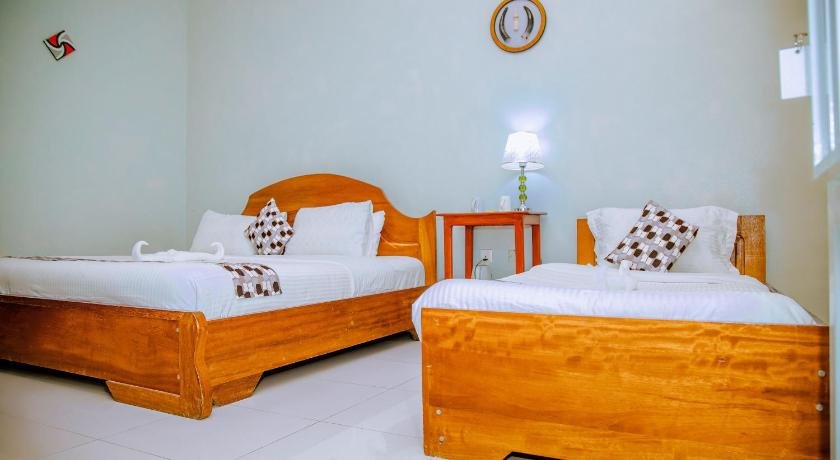
Accommodation is one of the biggest factors that determines the total cost of a
gorilla trekking safari. Fortunately, both Uganda and Rwanda offer a wide selection of
budget-friendly lodges, guesthouses, and camps that allow travelers to enjoy comfortable stays without overspending.
Rwanda also offers a number of
affordable accommodation options near Volcanoes National Park. Popular budget lodges include Kinigi Guest House, Muhabura Hotel, Amahoro Guest House, Fatima Hotel Musanze, Garden Place Hotel, Virunga Hotel, and Red Rocks Rwanda Campsite. These accommodations provide budget-conscious travelers with convenient access to
Volcanoes National Park while offering comfortable facilities and warm Rwandan hospitality.
When selecting accommodation, location should be one of the main considerations. Staying close to the
gorilla trekking briefing center can help reduce transportation costs and make early morning departures more convenient. Lodges located near park headquarters also allow visitors to spend less time on the road and more time enjoying their safari experience.
Community-owned lodges and locally managed guesthouses often provide some of the best value for money. Properties such as
Buhoma Community Rest Camp in Uganda and Red Rocks Rwanda in Rwanda not only offer affordable accommodation but also support local communities through tourism revenue. Staying at these lodges helps create employment opportunities while contributing to conservation and community development efforts.
Travelers can further reduce accommodation costs by sharing rooms with friends or
joining group safaris. Many lodges offer twin, triple, and family room options that significantly lower the cost per person while maintaining comfort and convenience.
By choosing the right budget lodge, travelers can save money without sacrificing their
gorilla trekking experience. Whether staying near Bwindi, Mgahinga, or Volcanoes National Park, affordable accommodation options make it possible to enjoy an unforgettable gorilla safari while keeping overall travel expenses under control.
Travel During the Low Season to Save Money
One of the easiest ways to reduce the cost of a gorilla trekking safari is to travel during the low season. While mountain gorillas can be visited throughout the year in both Uganda and Rwanda, the time of travel can have a significant impact on accommodation prices, transportation costs, and the availability of special safari deals.
The low seasons generally occur during the rainy months, which are typically from March to May and October to November. During these periods, visitor numbers are usually lower compared to the peak travel seasons, creating opportunities for budget travelers to secure better rates on accommodation and safari services.
Travelers who choose to visit during quieter months may also find greater flexibility when booking permits, transportation, and accommodation. With fewer visitors competing for limited spaces, it becomes easier to secure preferred travel dates and lodge choices.
Although the rainy season often brings muddy trails and occasional showers,
gorilla trekking remains highly rewarding.
Mountain gorillas do not migrate, and experienced trackers continue to locate habituated gorilla families successfully throughout the year. In many cases, the forests become greener and more beautiful during the rainy season, creating stunning scenery for photography and nature lovers.
Another advantage of traveling during the low season is the less crowded
trekking experience. Smaller visitor numbers often result in a quieter atmosphere around the parks and lodges, allowing travelers to enjoy a more intimate connection with nature and the surrounding environment.
Budget travelers should not automatically avoid the rainy season. With proper preparation, including waterproof clothing, sturdy hiking boots, and flexible travel plans, the low season can provide excellent value while still delivering the unforgettable experience of meeting
mountain gorillas in their natural habitat.
By taking advantage of lower accommodation rates, occasional safari promotions, and reduced competition for services, travelers can make their gorilla trekking adventure significantly more affordable while enjoying many of the same benefits available during peak travel periods.
Join a Group Gorilla Trekking Safari to Cut Costs
Joining a group safari is one of the easiest ways to reduce gorilla trekking costs. While gorilla permits are paid individually, expenses such as transportation, guiding services, and vehicle hire can be shared among travelers, lowering the overall cost per person.
Group tours are especially beneficial for solo travelers, who would otherwise bear the full cost of private transportation. Many safari operators offer scheduled group departures to destinations such as Bwindi, Mgahinga, and Volcanoes National Park, often including accommodation, transport, meals, and guiding services in one package.
Besides saving money, group safaris provide an opportunity to meet fellow travelers and share memorable experiences. For budget-conscious visitors, group travel offers an affordable and convenient way to enjoy a gorilla trekking adventure.
Sample Budget Breakdown for a Gorilla Trekking Safari in Uganda and Rwanda
Knowing the main safari expenses helps travelers plan a realistic budget for gorilla trekking. In both Uganda and Rwanda, the largest cost is usually the gorilla permit, followed by accommodation and transportation.
Uganda is generally considered the more affordable option due to its lower permit costs and wider range of budget accommodations. Travelers can further reduce expenses by choosing short itineraries, staying in budget lodges, and joining group safaris that share transportation costs.
Rwanda has higher gorilla permit fees, but shorter travel distances between Kigali and Volcanoes National Park help reduce transportation expenses. Budget accommodations near the park also provide affordable alternatives to luxury lodges.
A typical budget safari includes permit fees, accommodation, transportation, meals, and guiding services, with optional expenses such as porter fees, tips, and cultural activities.
General Cost Comparison
Uganda: Lower permit costs, more budget accommodation options, higher transportation costs due to longer travel distances.
Rwanda: Higher permit costs, fewer budget lodges, but lower transportation costs because of its proximity to Kigali.
With careful planning, budget-friendly accommodation, and shared transportation, travelers can enjoy an unforgettable gorilla trekking experience in either destination without exceeding their budget.