Safety Tips for Budget Safari Travelers
Safety Tips for Budget Safari Travelers
Traveling on a budget does not mean traveling unsafe. Budget safari travelers in East Africa can enjoy incredible wildlife encounters, gorilla trekking, and cultural experiences while staying safe, provided they plan carefully and stay aware of their surroundings. Cutting costs on accommodation or transport should never mean cutting corners on personal safety. Below is a comprehensive guide to staying safe while exploring Uganda, Rwanda, and other East African safari destinations on a limited budget.
Health Preparation Before You Travel
Health precautions should begin well before departure, since some vaccinations and medications need time to take effect. Yellow fever vaccination is mandatory for entry into both Uganda and Rwanda, and travelers should carry their vaccination certificate at all times, since border officials and even some park authorities may request proof. Malaria prophylaxis is strongly recommended given that both countries sit within malaria risk zones, and travelers should consult a doctor several weeks before departure to choose the right medication for their trip length and personal health history.
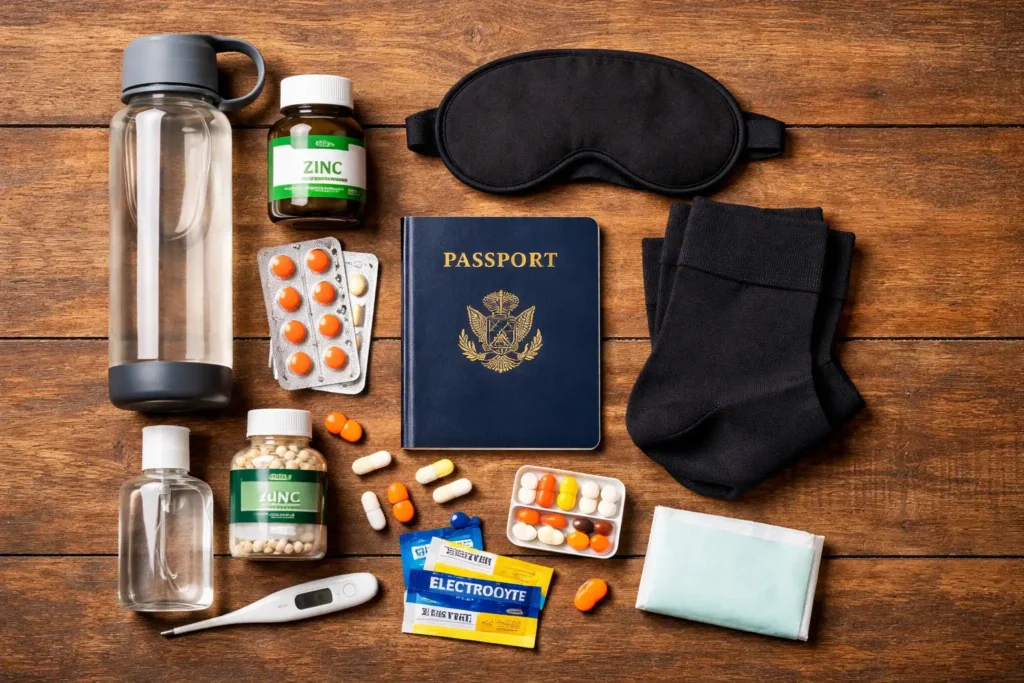
A basic travel medical kit is essential for budget travelers who may find themselves in remote areas far from proper medical facilities. This kit should include rehydration salts, anti-diarrheal medication, pain relievers, antiseptic cream, bandages, and any personal prescription medications packed in their original containers with copies of prescriptions in case of loss or questioning at borders.
Travel insurance that covers medical evacuation is one area where budget travelers should never cut costs, since remote safari areas and gorilla trekking regions are often hours away from proper hospitals, and emergency evacuation without insurance can be financially devastating.
Drinking Water and Food Safety
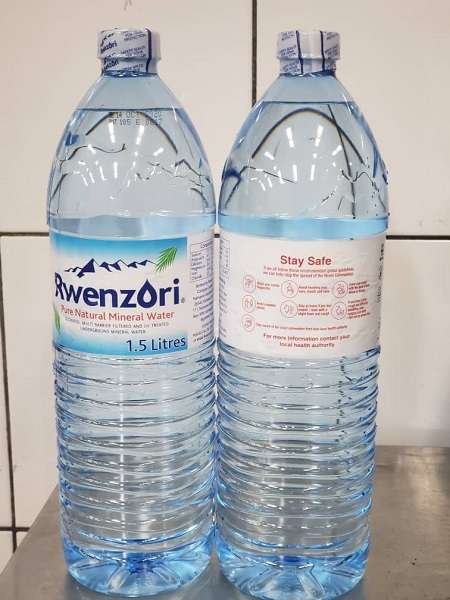
Tap water should be avoided throughout most of Uganda and Rwanda, and budget travelers should stick to bottled or properly filtered water, checking that bottle seals are intact before purchase. Carrying a reusable water bottle with a built-in filter is a cost-effective way to avoid buying plastic bottles throughout the trip while still ensuring safe drinking water.
Street food and local restaurants can be perfectly safe and are often the most authentic and affordable dining option, but travelers should choose stalls and restaurants that are busy with local customers, since high turnover generally indicates fresher food. Food that has been sitting out for extended periods or reheated multiple times carries higher risk, so it is wise to eat freshly prepared, hot meals whenever possible.

Wildlife Safety During Gorilla Trekking and Game Drives
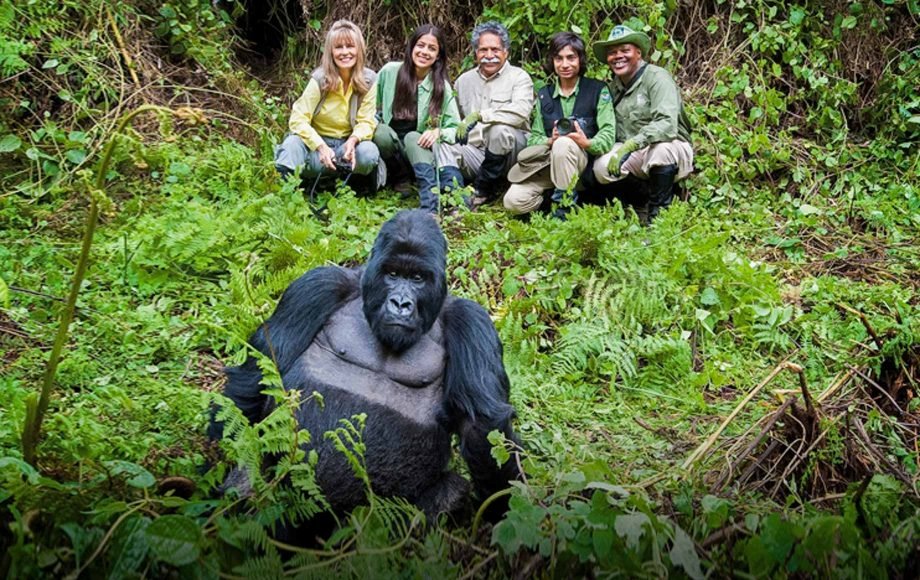
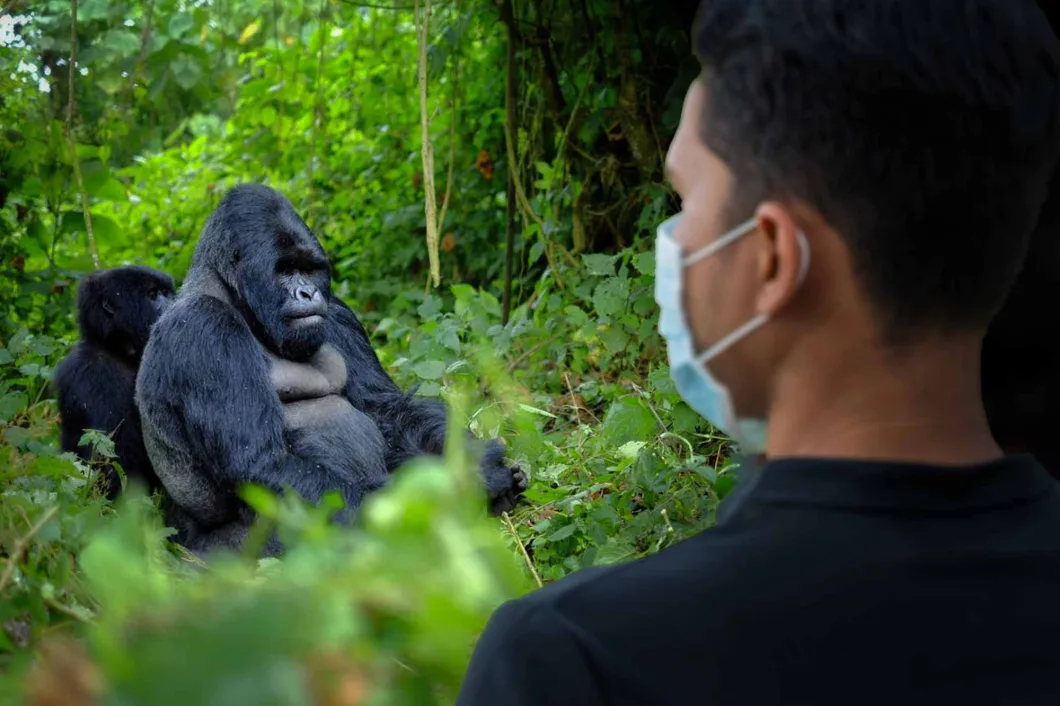
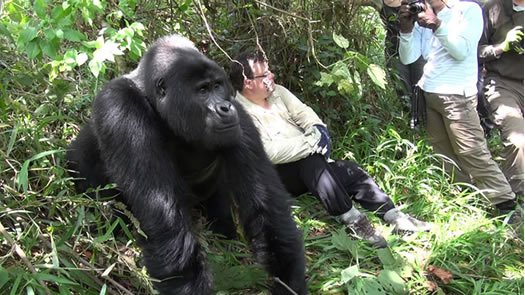
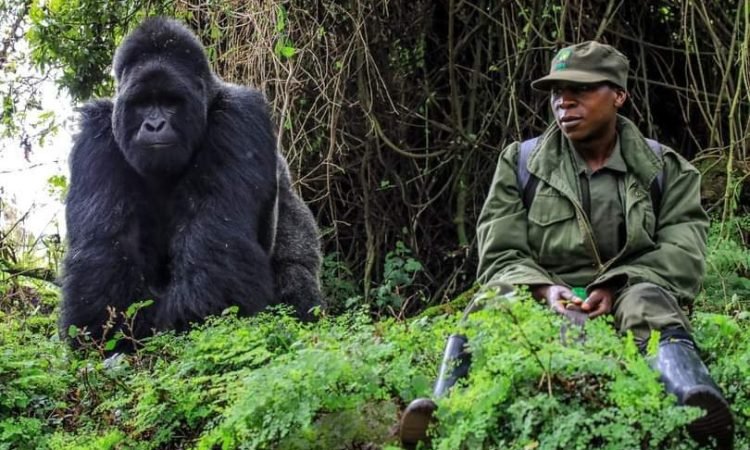
Gorilla trekking involves close encounters with wild animals, and while habituated gorilla families are generally calm around visitors, safety rules exist for good reason. Trekkers must maintain a minimum distance of seven meters from the gorillas at all times, avoid direct eye contact with silverbacks, which can be interpreted as a challenge, and never attempt to touch or feed the gorillas regardless of how close they may approach.
Anyone feeling unwell, particularly with cold or flu-like symptoms, should inform their guide before the trek begins, since gorillas are susceptible to human respiratory illnesses and can become seriously ill from diseases transmitted by visitors. Face masks are often required during the actual gorilla encounter for this reason.
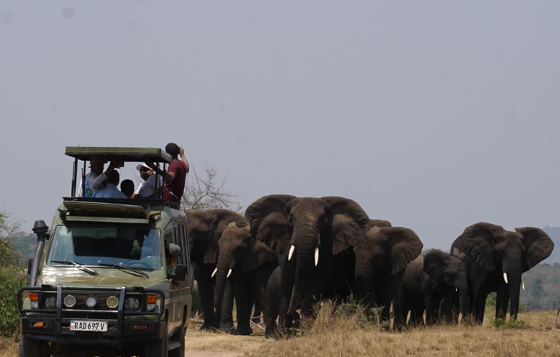
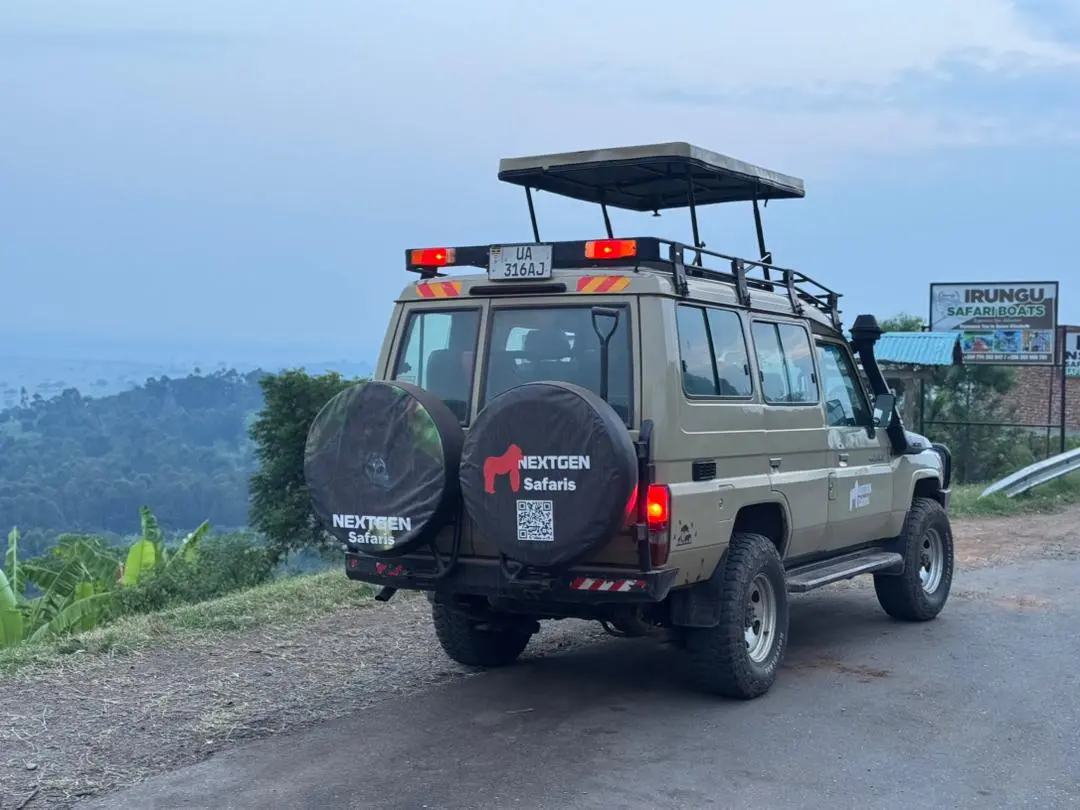
During game drives in national parks, travelers should always remain inside the vehicle unless a guide explicitly confirms it is safe to step out, since even parks that feel calm can have dangerous animals nearby that are not immediately visible. Budget travelers using open sided safari vehicles should keep arms and cameras inside the vehicle when close to elephants, buffalo, or other large animals, and should never attempt to feed wildlife at any point during the trip.
Transportation Safety
Public transport is the backbone of budget travel in East Africa, but it comes with safety considerations that travelers should keep in mind. Overnight bus travel is best avoided where possible, since road conditions and driving standards can be unpredictable after dark, and daytime travel allows better visibility of road hazards. When booking bus tickets, choosing well known companies with a reputation for maintained vehicles and licensed drivers is worth the small extra cost compared to unmarked or unlicensed operators.
Boda boda motorcycle taxis are extremely common and convenient in Uganda but carry higher accident risk than other transport options. Budget travelers using boda bodas should always request a helmet, agree on the fare before starting the journey, and avoid riding at night whenever possible, since visibility and road conditions worsen significantly after dark.
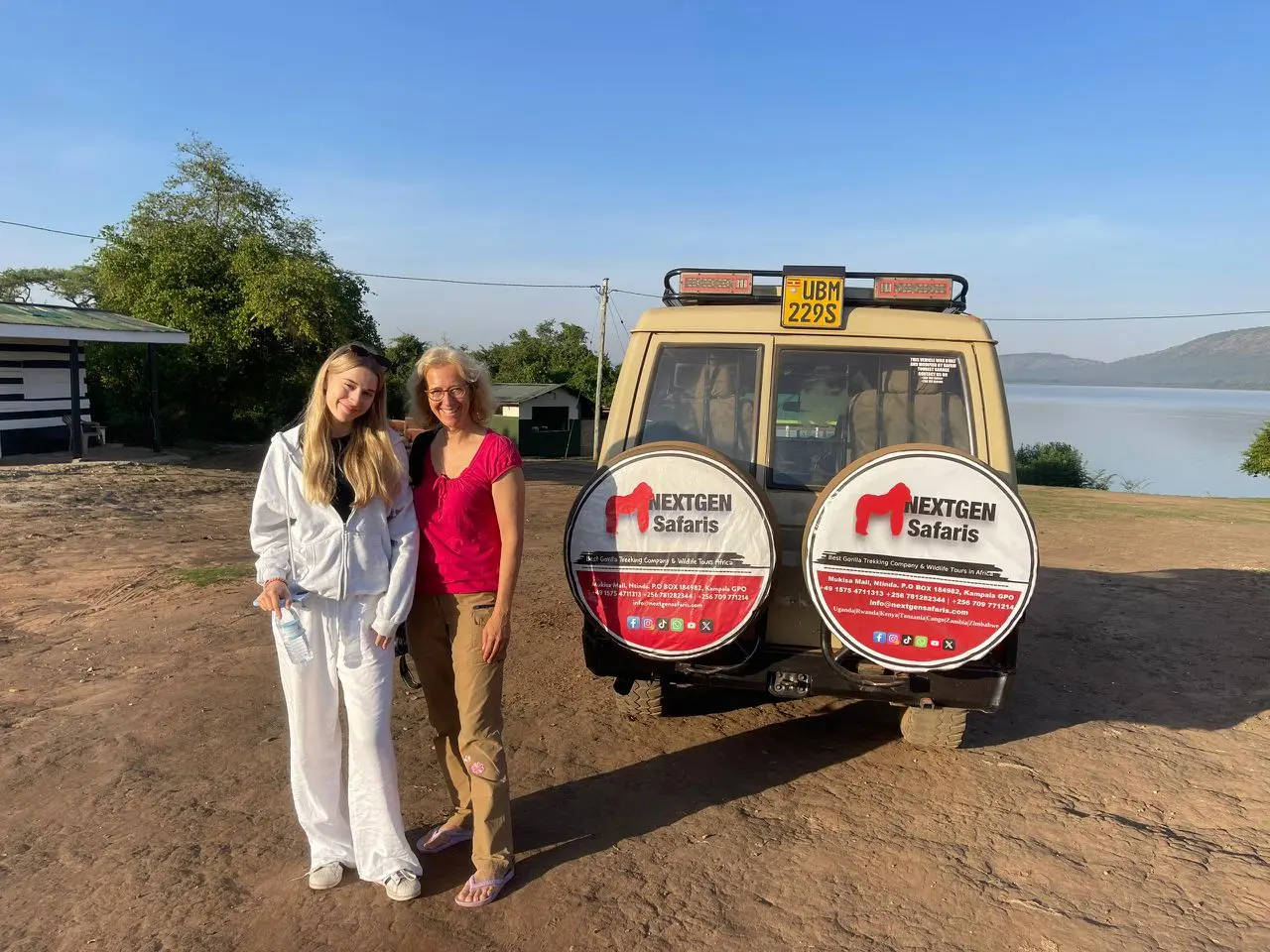
For those hiring a private vehicle and driver, confirming the driver is experienced with the specific route, particularly for mountainous roads near Bwindi or the Virunga volcanoes, adds an important layer of safety, since these roads can be steep, narrow, and prone to landslides during the rainy season.
Money and Valuables Safety
Carrying large amounts of cash is often necessary in East Africa since card acceptance remains limited outside major hotels and cities, but this creates a target for theft if not managed carefully. Budget travelers should split their cash across multiple secure locations, such as a money belt worn under clothing, a small amount in a day bag for immediate spending, and the remainder locked in a hotel safe or secured luggage.
Using ATMs located inside banks or shopping centers during daylight hours is safer than standalone street ATMs, and travelers should shield the keypad when entering their PIN and remain aware of anyone standing unusually close. Photocopies or photos of important documents, including passports, visas, and travel insurance details, should be kept separately from the originals, with a digital copy stored securely online as a backup in case of loss or theft.
Accommodation Safety for Budget Travelers
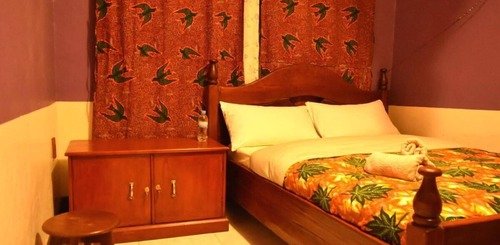
Budget guesthouses and campsites are generally safe throughout Uganda and Rwanda, but a few precautions help minimize risk. Choosing accommodation with positive recent reviews mentioning security, rather than only price, helps avoid properties with inadequate locks or poor lighting. Travelers should inspect door and window locks upon check in and request a room change if anything feels insecure.
Camping travelers should choose established, well reviewed campsites rather than informal or unmarked camping spots, since designated sites near national parks typically have some level of security presence and are aware of local wildlife movement patterns, which matters particularly in areas where elephants or buffalo may wander through unfenced areas at night.
Solo Travel Safety Considerations
Solo budget travelers, particularly women traveling alone, should take a few extra precautions without letting fear overshadow the experience. Arriving at accommodation before dark whenever possible reduces the stress of navigating unfamiliar areas at night, and sharing a rough itinerary with someone back home, including which lodge or guesthouse you plan to stay at each night, adds a layer of security in case contact is lost.
Joining group treks or shared safari vehicles, which are common in the budget travel scene, is an excellent way to reduce costs while also traveling with company, and many budget travelers meet fellow travelers at hostels or guesthouses who are happy to join forces for treks, transport sharing, and general company along the route.
Border Crossing Safety
Travelers moving between Uganda, Rwanda, and neighboring countries by land should research current border conditions before travel, since requirements and safety situations can change. Crossing during daylight hours is strongly recommended, and travelers should have all documentation, including yellow fever certificates, visas, and permit confirmations, organized and easily accessible rather than buried at the bottom of a bag, which reduces time spent standing at the border with valuables on display.
Using officially recognized border crossings rather than informal routes, even if a local suggests a shortcut, ensures proper documentation of entry and exit, which matters both for personal safety and for avoiding legal complications later in the trip.
Weather and Terrain Safety During Trekking
Gorilla trekking terrain is often steep, muddy, and unpredictable, particularly during the rainy seasons. Proper footwear with good ankle support and grip significantly reduces the risk of slips and falls on forest trails. Hiring a porter, in addition to supporting the local community, provides an extra hand on difficult sections of the trail and someone familiar with the terrain who can help in case of a minor injury or fatigue during the trek.
Trekkers should inform their guide immediately of any pre-existing medical conditions, such as heart issues or asthma, since the altitude and physical demands of trekking through Bwindi or the Virunga foothills can be strenuous, and guides can adjust the pace or route accordingly when they are aware of a traveler's limitations.
Staying Connected and Informed
A local SIM card, which is inexpensive and easy to obtain in both Uganda and Rwanda, allows budget travelers to stay connected for emergencies, check weather updates, and communicate with accommodation or tour operators throughout the trip. Saving the contact details of the nearest embassy or consulate, local emergency services, and your travel insurance provider's emergency hotline before departure ensures this information is available even without reliable internet access in remote areas.
Following local news and checking government travel advisories periodically throughout the trip, rather than only before departure, helps travelers stay aware of any changes in security conditions, weather warnings, or road closures that could affect their itinerary.
Conclusion
Safety on a budget safari does not require expensive precautions, but rather thoughtful planning, situational awareness, and respect for the wildlife and communities being visited. By preparing properly for health risks, following wildlife safety rules during treks and game drives, taking sensible precautions with transport, money, and accommodation, and staying informed throughout the journey, budget travelers can enjoy the full richness of a Uganda or Rwanda safari with genuine peace of mind, proving that a limited budget and a safe, memorable adventure are not mutually exclusive.
Ready to Book Your Safari?
Contact us today and let our expert team help you plan the perfect African adventure.
Request a Quote