Gorilla trekking is unlike most other
wildlife experiences, and first-timers often arrive with a mix of excitement and uncertainty about what the day will actually involve. Combining that unfamiliarity with a tight budget adds another layer of planning, since first-time trekkers need to balance cost-consciousness with making sure they are properly prepared for a physically demanding day in the forest. This guide brings together the most useful tips for anyone doing their first gorilla trek on a budget, covering everything from booking to the trek itself.
Book Your Permit Early and Directly
The single most important piece of advice for any first-time budget trekker is to book the gorilla permit as early as possible, ideally three to six months in advance .Gorilla permits are limited to a fixed number of visitors per gorilla family per day and often sell out well in advance, especially during peak travel seasons. Securing your permit early through Nextgen Safaris helps ensure availability for your preferred trekking date and destination while giving you enough time to plan the rest of your trip.
First-time trekkers should also understand that gorilla permit prices are set by the relevant wildlife authorities and remain the same regardless of who facilitates the booking. Reputable local tour operators such as Nextgen Safaris provide permit booking services, itinerary planning, transport, and accommodation arrangements while maintaining transparent pricing. Any offer advertising gorilla permits at significantly below the official rate should be approached with caution, as genuine permits are sold at fixed government-established prices.
Choose Uganda if Cost Is Your Main Concern
For first-time trekkers whose primary goal is keeping costs down,
Uganda is generally the better starting point than
Rwanda, since a
Uganda permit costs 800 US dollars compared to
Rwanda's 1500 dollars for what is fundamentally the same experience, an hour spent observing a habituated gorilla family.
Uganda also occasionally offers discounted permits during the low season months of April, May, and November, further reducing the entry cost for flexible first-timers.
Understand That Fitness Level Matters
Gorilla trekking involves walking through dense forest on steep, often muddy terrain, and the duration of the
trek depends entirely on where the assigned gorilla family happens to be that day, which can range from a two hour round trip to a full day of hiking. First-time trekkers should be honest with themselves about their fitness level before booking, and those with any concerns should mention this when booking their permit, since park authorities can sometimes take fitness level into account when assigning gorilla families, generally placing fewer mobile trekkers with closer, more accessible groups.
Building up general fitness in the weeks before the trip, even though regular walking or light hiking, makes a meaningful difference to how enjoyable the
trekking day feels, particularly at the altitude found in
Bwindi and the
Virunga volcanoes.
Hire a Porter, even on a Tight Budget
First-time trekkers on a budget sometimes assume skipping the porter is an easy way to save money, but at only 15 to 20 US dollars, a porter is one of the most worthwhile expenses on the entire trip. Porters carry your daypack, offer a steadying hand on difficult sections of the trail, and are often former poachers who have been given an alternative livelihood through
gorilla tourism, meaning the fee directly supports conservation-linked community employment. For a first-timer unfamiliar with the terrain and pace of the trek, this support is especially valuable.
Pack Properly Rather Than Expensively
Budget trekkers do not need to buy an entirely new wardrobe of specialized gear for their first trek. Sturdy, already broken-in hiking boots, a waterproof rain jacket, and a pair of cheap gardening or trekking gloves to protect against stinging nettles cover the essentials. Gaiters can often be rented at the park headquarters rather than purchased, and a walking stick is typically provided free or for a small tip at the trailhead. First-timers should avoid buying brand new boots right before the trip, since unworn boots are a common cause of blisters on the trek itself.
Know What Happens on Trekking Morning
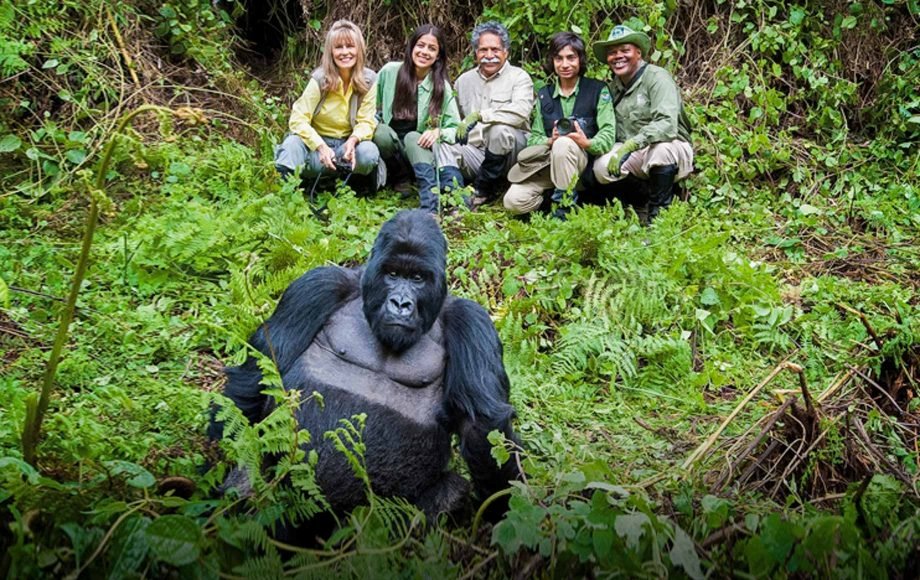
Understanding the structure of the day removes a lot of first-timer anxiety. Trekkers gather at the park headquarters for a mandatory briefing, usually starting between 7:00 and 7:30 AM, where park rangers explain the trekking rules and assign each group of up to eight people to a specific habituated gorilla family based on trackers' reports of the family's last known location. The trek itself can last anywhere from two to eight hours round trip, and once the gorillas are located, visitors are given exactly one hour to observe them before returning to the trailhead.
First-timers should eat a proper breakfast before setting out, carry enough water and snacks for a potentially long day, and be mentally prepared for the trek to take considerably longer than expected, since gorilla movements are entirely unpredictable
Follow the Trekking Rules Closely
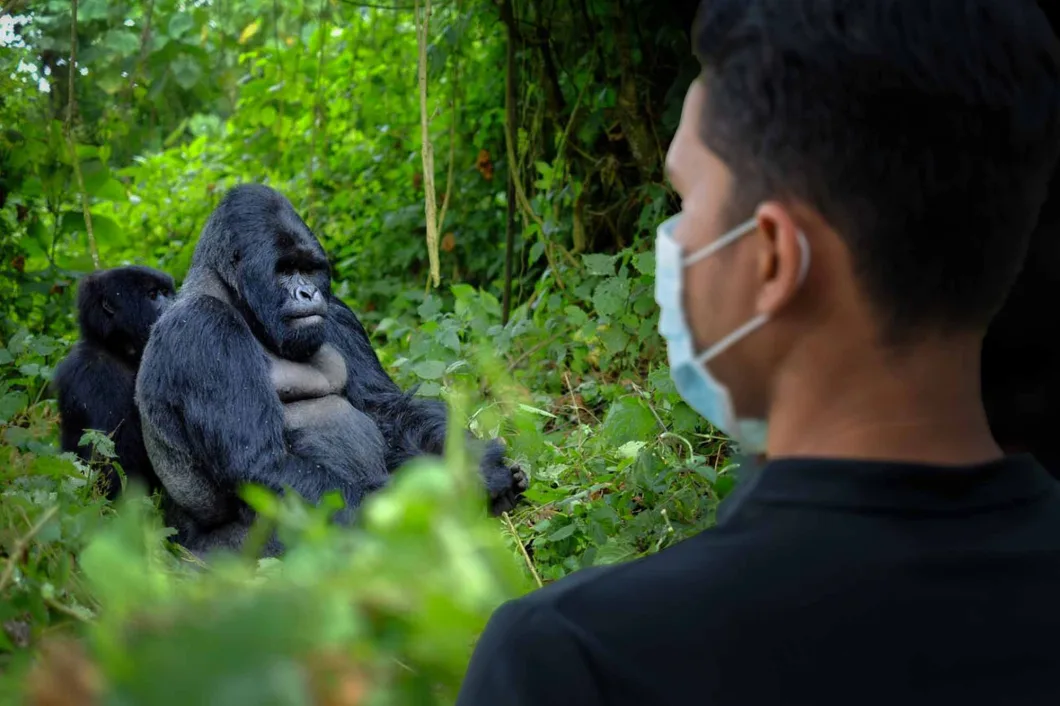
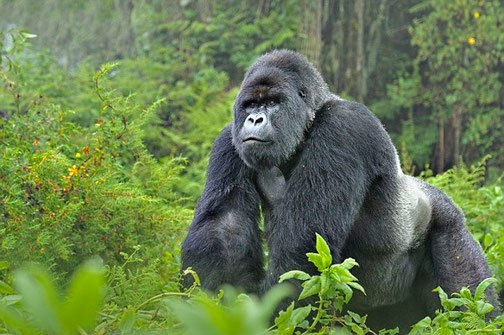
A minimum distance of seven meters from the gorillas must be maintained at all times, flash photography is not permitted, and trekkers should avoid direct eye contact with silverbacks, which can be interpreted as a challenge. Anyone feeling unwell, even with mild cold or flu symptoms, should inform their guide before the trek begins, since gorillas are highly susceptible to human respiratory illnesses. These rules exist for the protection of the gorillas as much as the trekkers, and
first-timers should treat them as non-negotiable rather than flexible guidelines.
Choose Budget Accommodation Strategically
First-time trekkers should book accommodation in the same sector as their assigned trekking permit, since Bwindi's four sectors,
Buhoma,
Ruhija,
Rushaga, and
Nkuringo, are not within convenient driving distance of one another on trekking morning. Budget guesthouses in
Buhoma, community rest camps near Rushaga and Nkuringo, or Musanze-based guesthouses for
Rwanda's Volcanoes National Park all offer genuinely affordable options without requiring a long, stressful drive before the early morning briefing.
Budget for the Extras, Not Just the Permit
First-timers sometimes focus entirely on the permit cost and underestimate the smaller expenses that add up around it. A realistic first-time budget should include a small tipping allowance of 10 to 20 US dollars for guides, porters, and trackers, transport to and from the park, meals, and a modest amount for gear rental or last-minute purchases like gloves. None of these individually cost much, but overlooking them can catch first-timers off guard if they have budgeted only for the permit itself.
Don't Skip Travel Insurance
This is not an area to cut costs, even on a tight budget.
Gorilla trekking takes place in remote regions often hours from proper medical facilities, and a first-timer unfamiliar with their own fitness limits on this kind of terrain benefits significantly from insurance that covers medical evacuation. Basic travel insurance typically costs 30 to 60 US dollars depending on trip length, a small price relative to the risk it covers.
Manage Expectations About Weather and Visibility
Bwindi and the
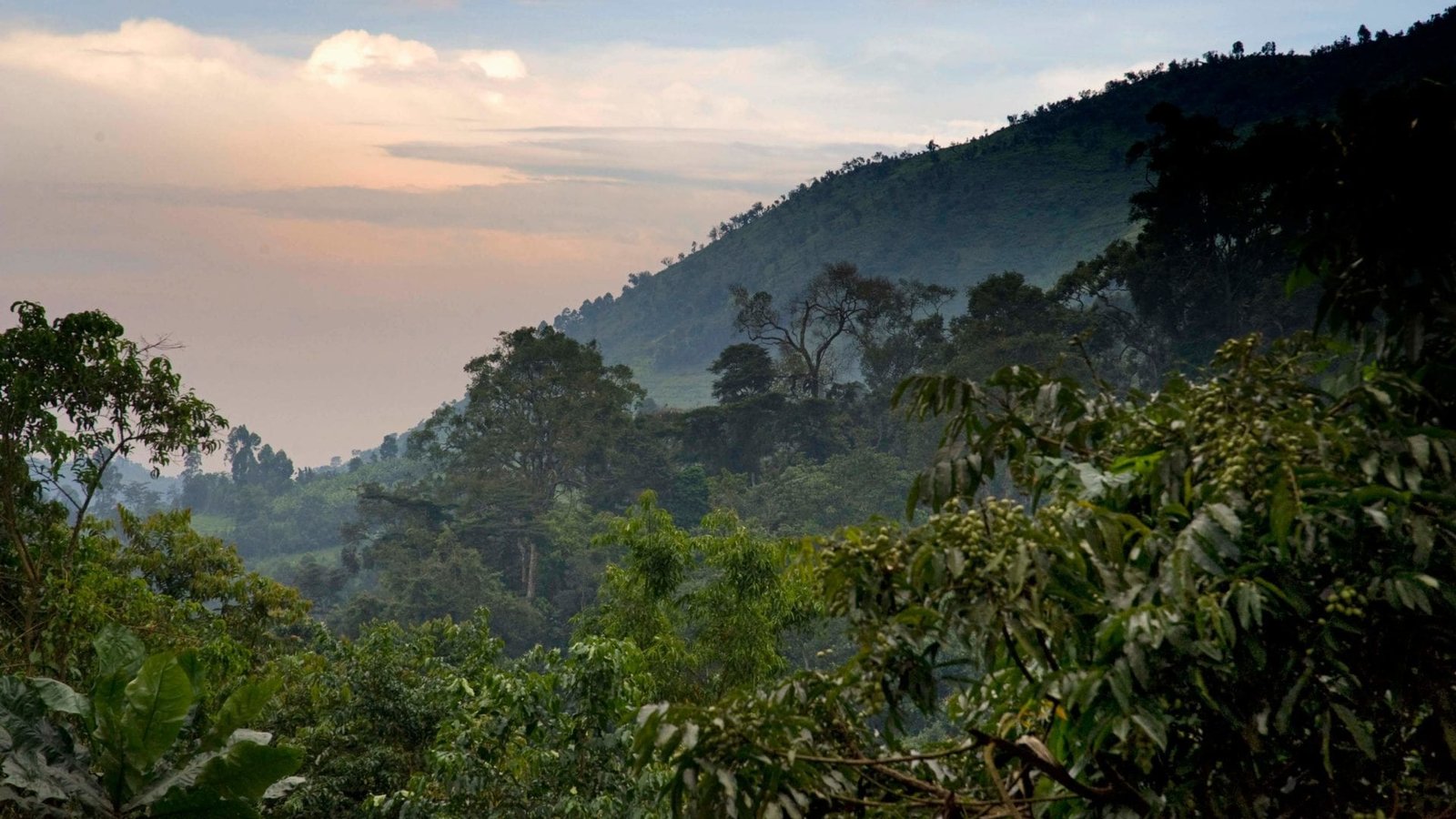
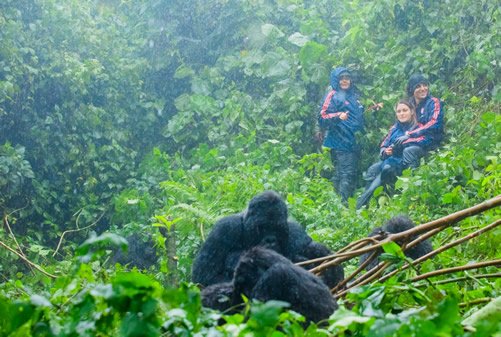
Virunga volcanoes sit in tropical highland rainforest, meaning rain is a genuine possibility on any given day regardless of season. First-timers should pack a proper rain jacket and mentally prepare for the trek to continue even in light rain, since treks are rarely cancelled for weather. Managing this expectation in advance prevents disappointment if the day turns out wetter or muddier than anticipated.
Sample Safari Itinerary: 3 Days for a First-Time Budget Trekker
The following itinerary reflects a straightforward, realistic structure for a first-time gorilla trek in Uganda's Buhoma sector.
Day 1:
Kampala to Buhoma Depart Kampala in the morning for the 8-to-9-hour drive to
Bwindi's Buhoma sector, with a lunch stop along the way. Check into a budget guesthouse near the park headquarters in the late afternoon, use the remaining daylight to organize gear and confirm the next morning's briefing time with the guesthouse, and turn in early ahead of the trek.
Day 2:
First Gorilla Trek Wake early for breakfast, then head to the park headquarters for the 7:30 AM briefing and gorilla family assignment. Trek into the forest with the ranger guide and porter, spend one hour observing the assigned
gorilla family once located, then return to the guesthouse by mid to late afternoon to rest and process a genuinely unforgettable first encounter
.
Day 3: Buhoma to Kampala After breakfast, depart for the return journey to Kampala, arriving by early evening.
Conclusion
A
first gorilla trek is a significant undertaking, both physically and logistically, and doing it on a budget simply requires a bit more planning rather than any compromise on safety or experience quality. By booking permits early and directly, choosing
Uganda if cost is the priority, preparing properly rather than expensively, hiring a porter, and budgeting realistically for the smaller costs that surround the permit, first-time trekkers can approach their
gorilla trekking day with confidence, ready to fully appreciate what will likely be one of the most memorable wildlife encounters of their life.